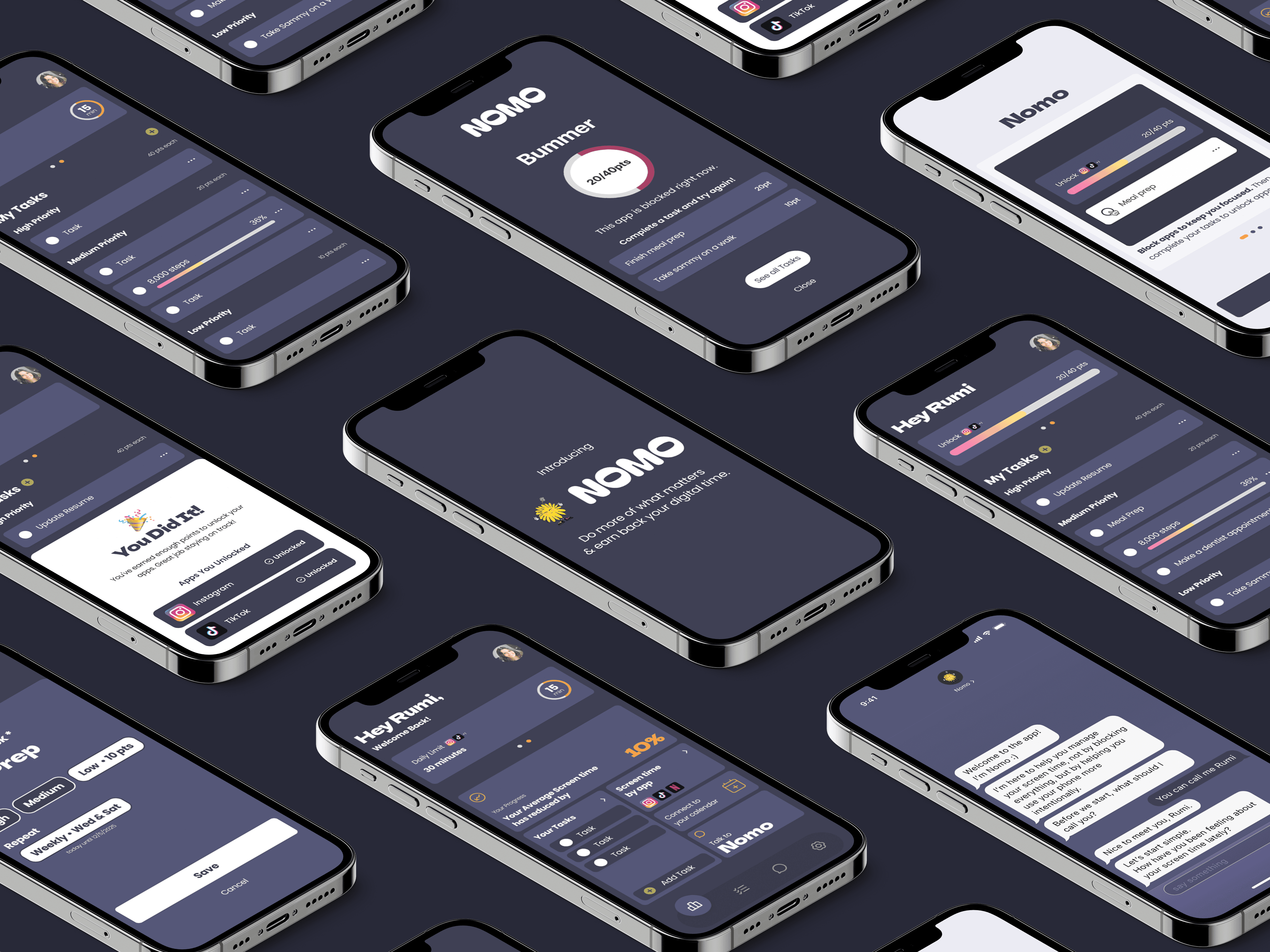
a quick rundown
What was the problem?
Screen-time tools often fail to create lasting behavior change, even when users are motivated, because they rely on restriction, guilt, or rigid control.
What did we do?
Conducted mixed-method research combining academic literature, screen-time tracking, personality assessments, and hands-on testing of existing digital wellness apps to understand how design, emotional tone, and autonomy influence user behavior.
What was the result?
The result is Nomo, a research-driven app concept that approaches screen-time management as a supportive habit-building system instead of a limiting one.
Timeline
3 Months
Role
Product Research & Design (team of 2)
Tools
Figma
Some more context
Gen Z spends an average of 6.5 hours a day phones.
This isn’t a hidden problem. Most people are aware of it, and many have tried to reduce their screen time at some point.
6.5hrs
avg phone screen time of Gen Z
(Moody, 2023; Harmony Healthcare IT, 2024; Backlinko, 2023)
Digging deeper into existing research and survey data, the pattern became harder to ignore.
43%
of Gen Z struggle with productivity from their phone usage
(BePresent, 2024)
73%
of people believe their phones negatively impacts their mental health
(BePresent, 2024)
74%
of people who have tried to reduce their screen time struggle to do so
(BePresent, 2024)
What became clear was that awareness alone wasn’t the issue.
Many people already know they spend too much time on their phones and have actively tried to cut back using built-in screen-time features or third-party apps. Yet these attempts rarely last.
This suggested that the challenge wasn’t simply about knowing better, but about how behavior change was being supported (or not supported) by design.
Framing the Problem
where are the current tools failing?
To understand why cutting down screen time felt so fragile, I ran a small qualitative study in which participants tested existing screen-time apps over several days while tracking their usage and reflecting on their experience.
Across different intervention styles, a consistent pattern emerged. Most tools were effective at interrupting behavior in the moment, but struggled to support change over time.
“The forced breathing exercises are starting to feel like cruel and unusual punishment.”
— Participant C on OneSec
Rigid blocks often felt frustrating or out of sync with daily life, while lighter interventions faded into the background once users adapted to them.
“I got used to just tapping through it. It didn’t really make me stop thinking anymore.”
— Participant K on ClearSpace
What became clear was that friction alone wasn’t enough.
While these tools created awareness, they often failed to support motivation, autonomy, or habit formation. Users didn’t want more restrictions - they wanted support that worked with them, not against them.
the challenge
How do we create something that feels natural, supportive and sustainable?
a sneak peak
The Concept
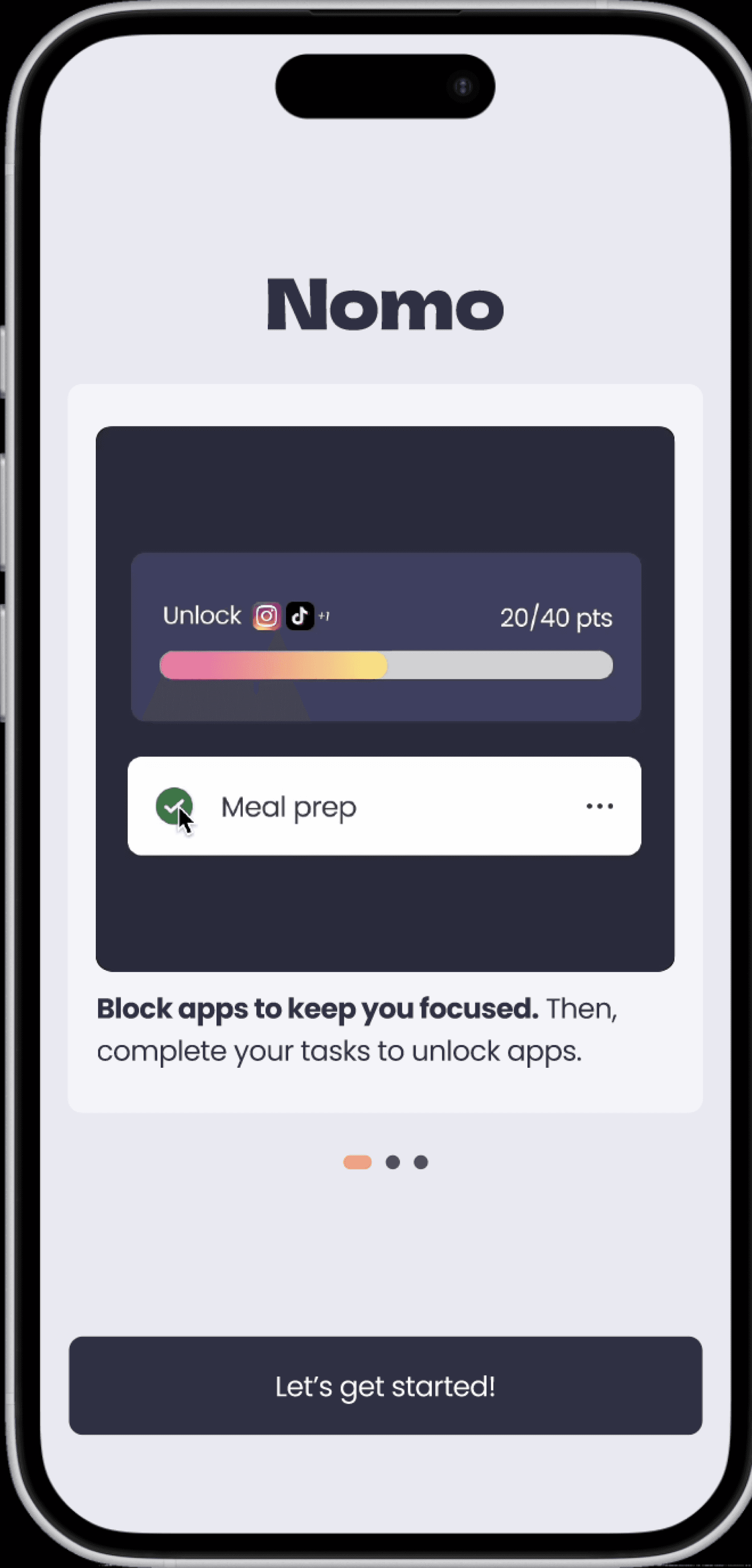
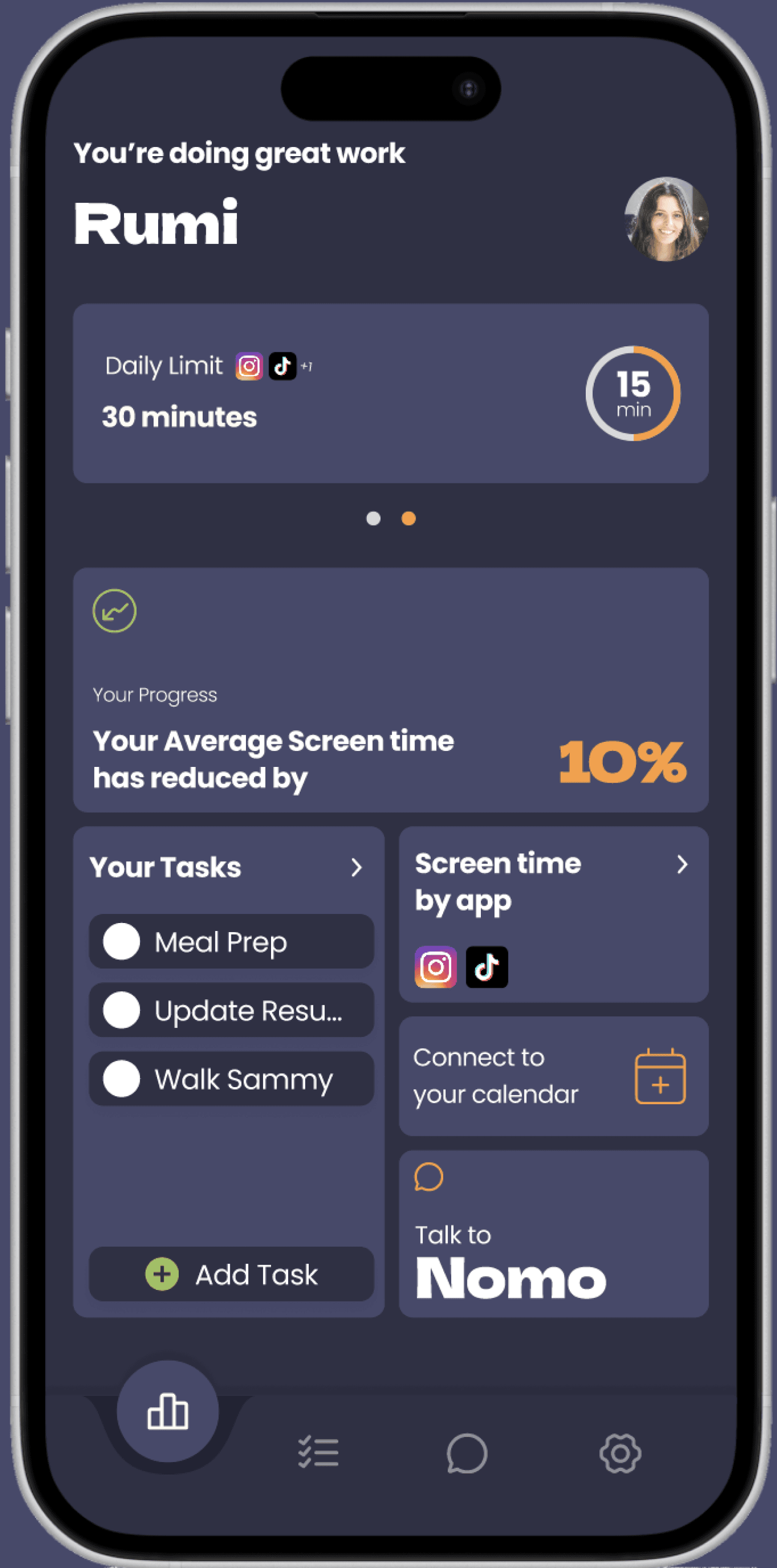
NOMO explores a simple shift: screen time isn’t taken away — it’s earned through meaningful, offline action.
By tying digital access to intentional tasks, the system reframes screen-time management as habit-building rather than restriction. This concept became the basis for exploring a more motivating, flexible, and supportive approach to behavior change.
Turn your screen time into something you earn, not something you lose.
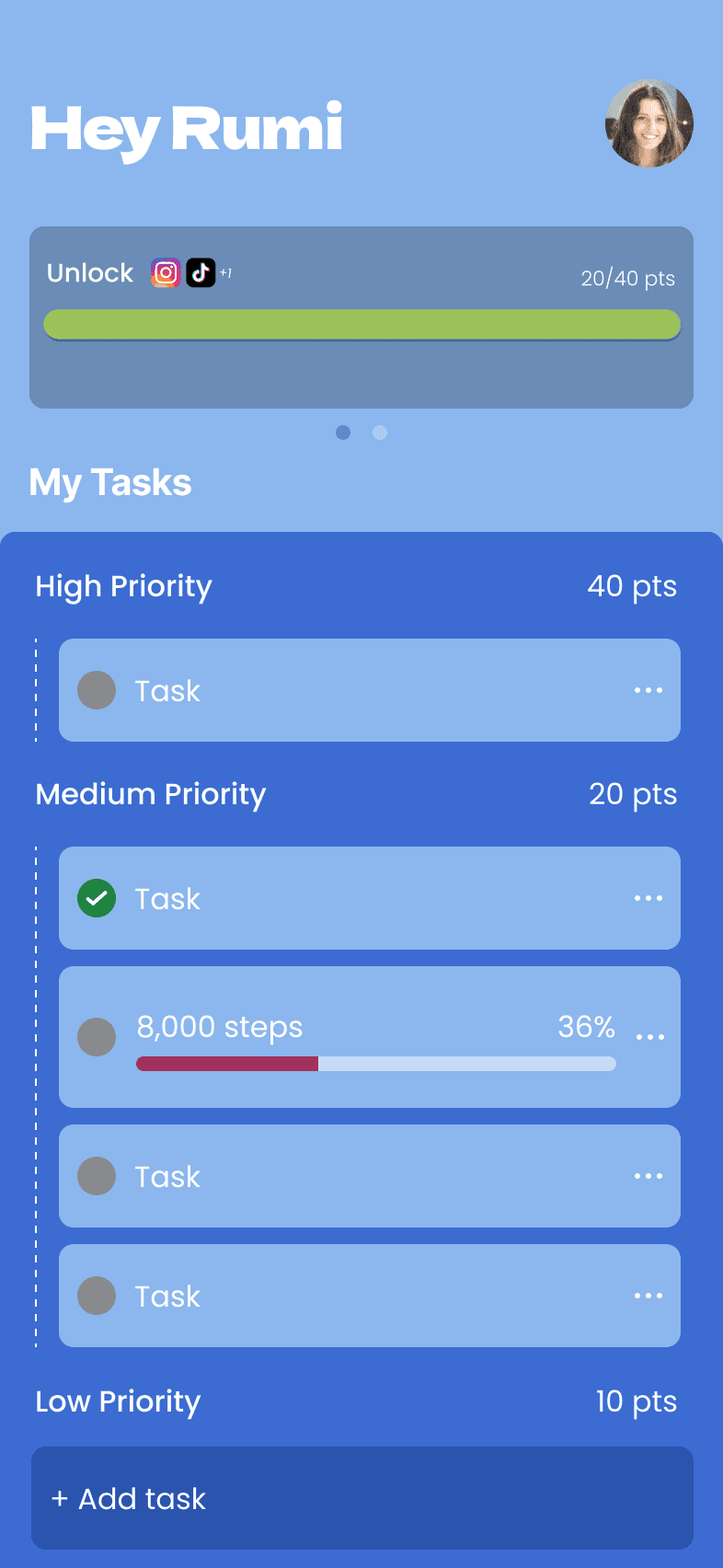
Set up your to do list with tasks.
Complete tasks to earn points,
which unlock screen time for the apps you chose.
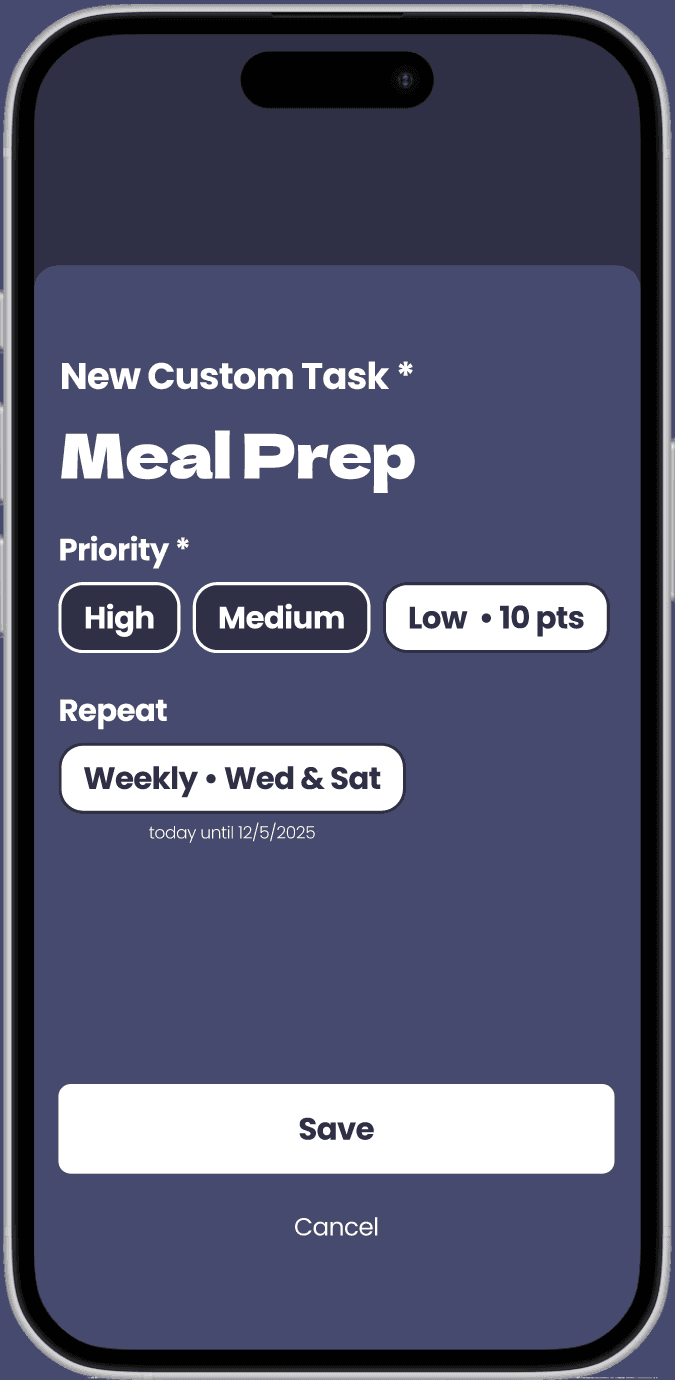
Tasks are weighted by priority
High priority → more points
(deep-focus or effort-based)
Medium priority → moderate points
Low priority → small, quick wins
Set daily app time limits
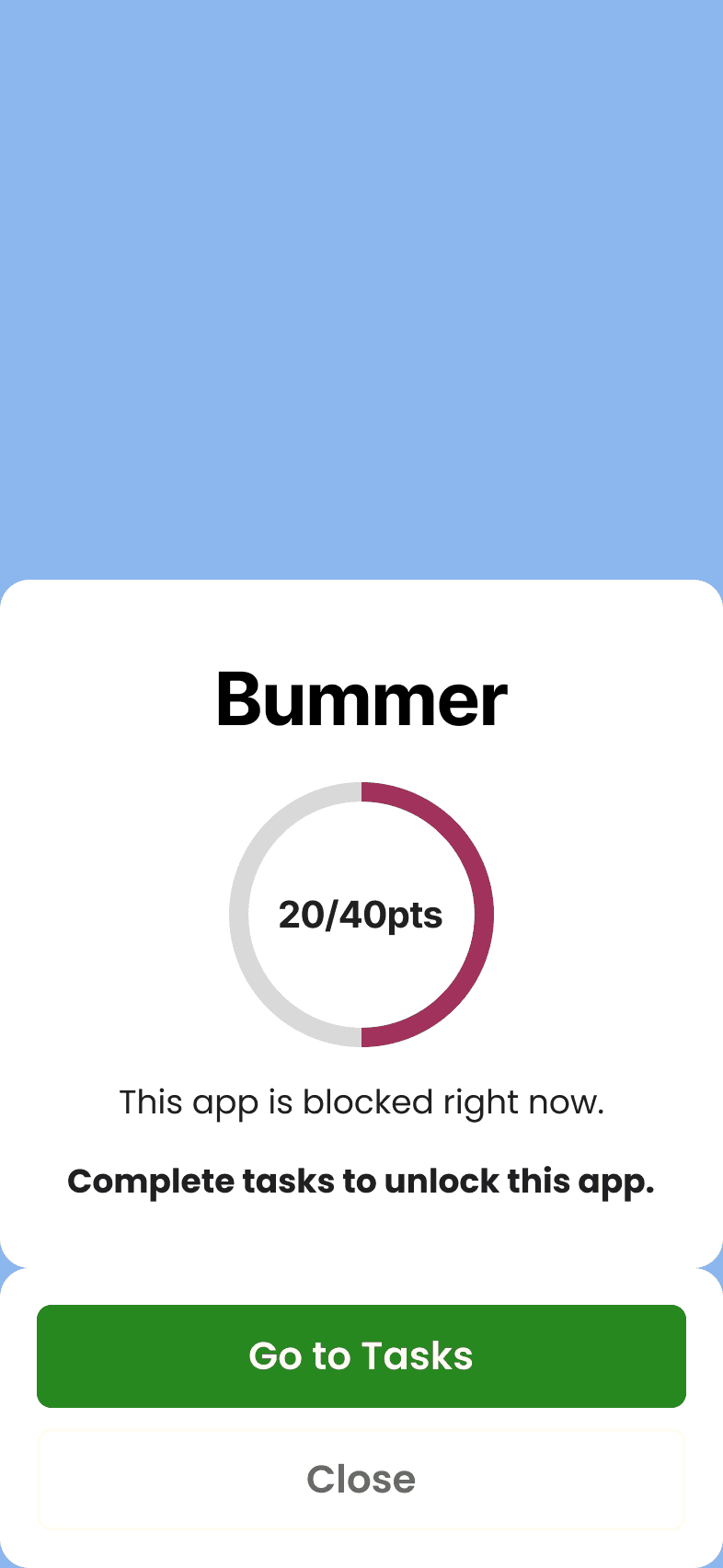
Once you hit your daily limit, distracting apps stay locked — but you can always earn time back by completing meaningful tasks.
But, How Exactly did we get here?
User Research
Understanding How people Use their phones
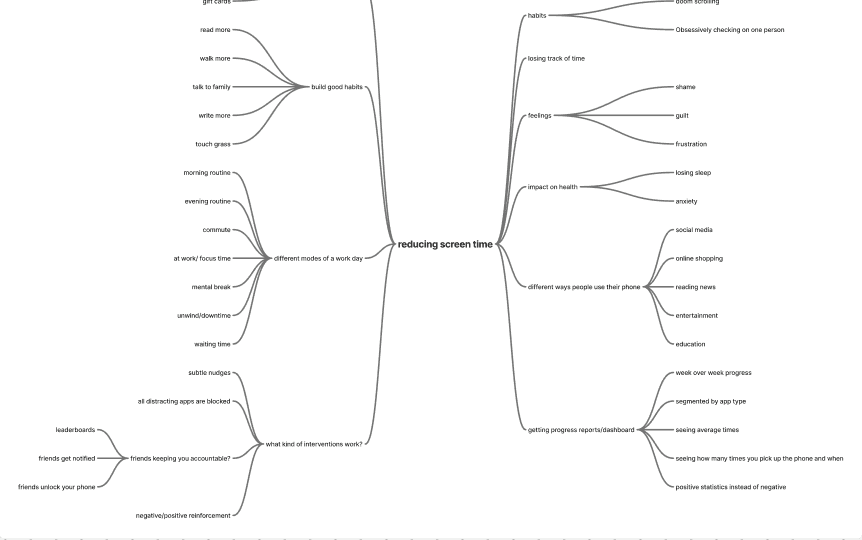
We began by examining users’ screen-time habits and their experiences with existing tools through interviews, secondary research, and behavioral mapping.
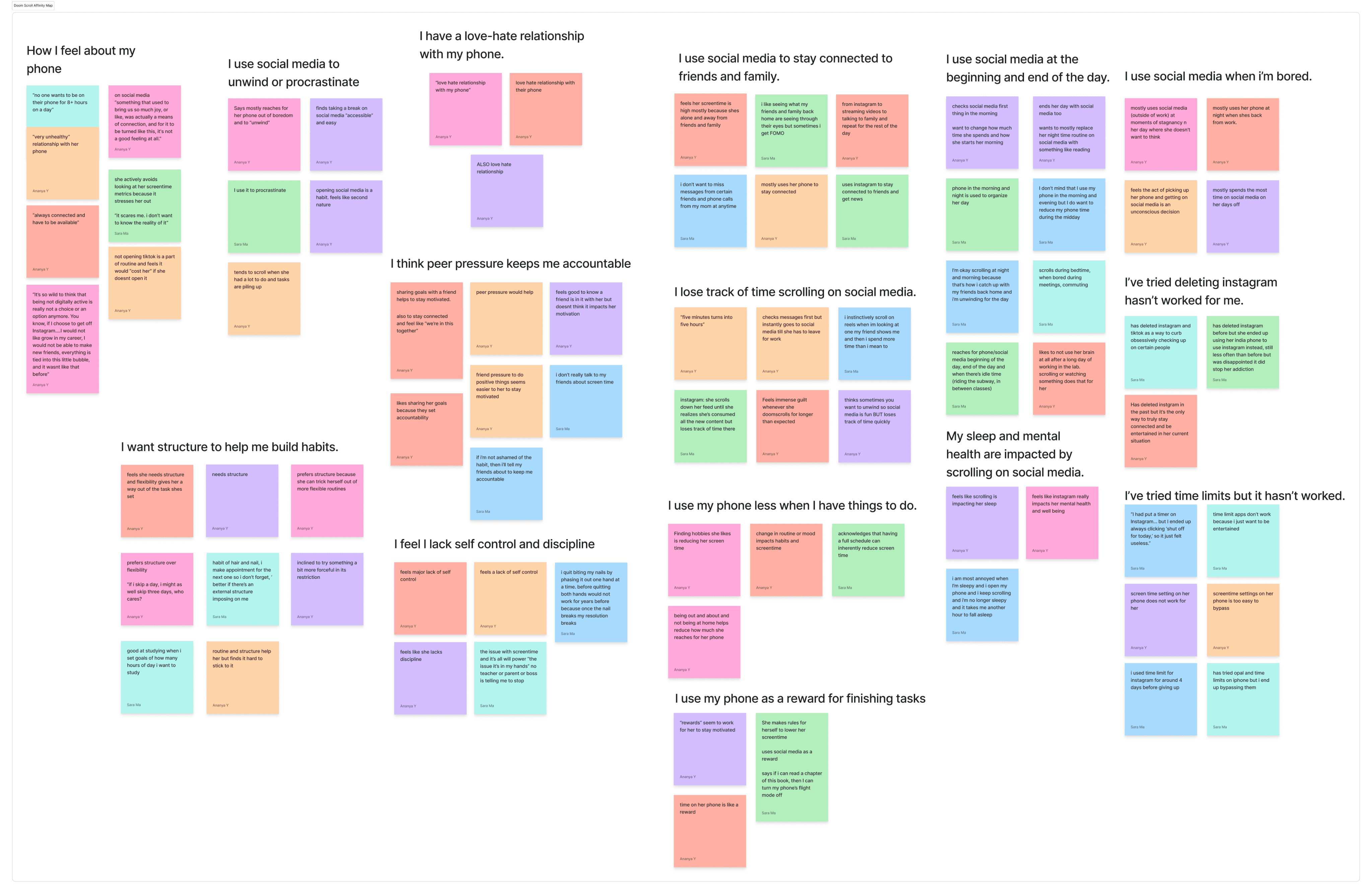
Rather than pointing to a single issue, the research revealed the obvious, that screen use is deeply embedded in daily routines. Phones are used to connect, unwind, procrastinate, and cope with moments of mental fatigue. Any solution would need to adapt to these realities rather than attempt to override them.
As we explored users’ screen-time habits and their experiences with existing tools, we uncovered distinct ways people think about and manage their screen time, shaped largely by their everyday routines.
Our users said:
“It’s something that I’ve been fighting for years at this point, and I think the issue is that it’s in my hands… no one wants to be on their phone for 8+ hours a day.”
Darla, 27
Making it make sense
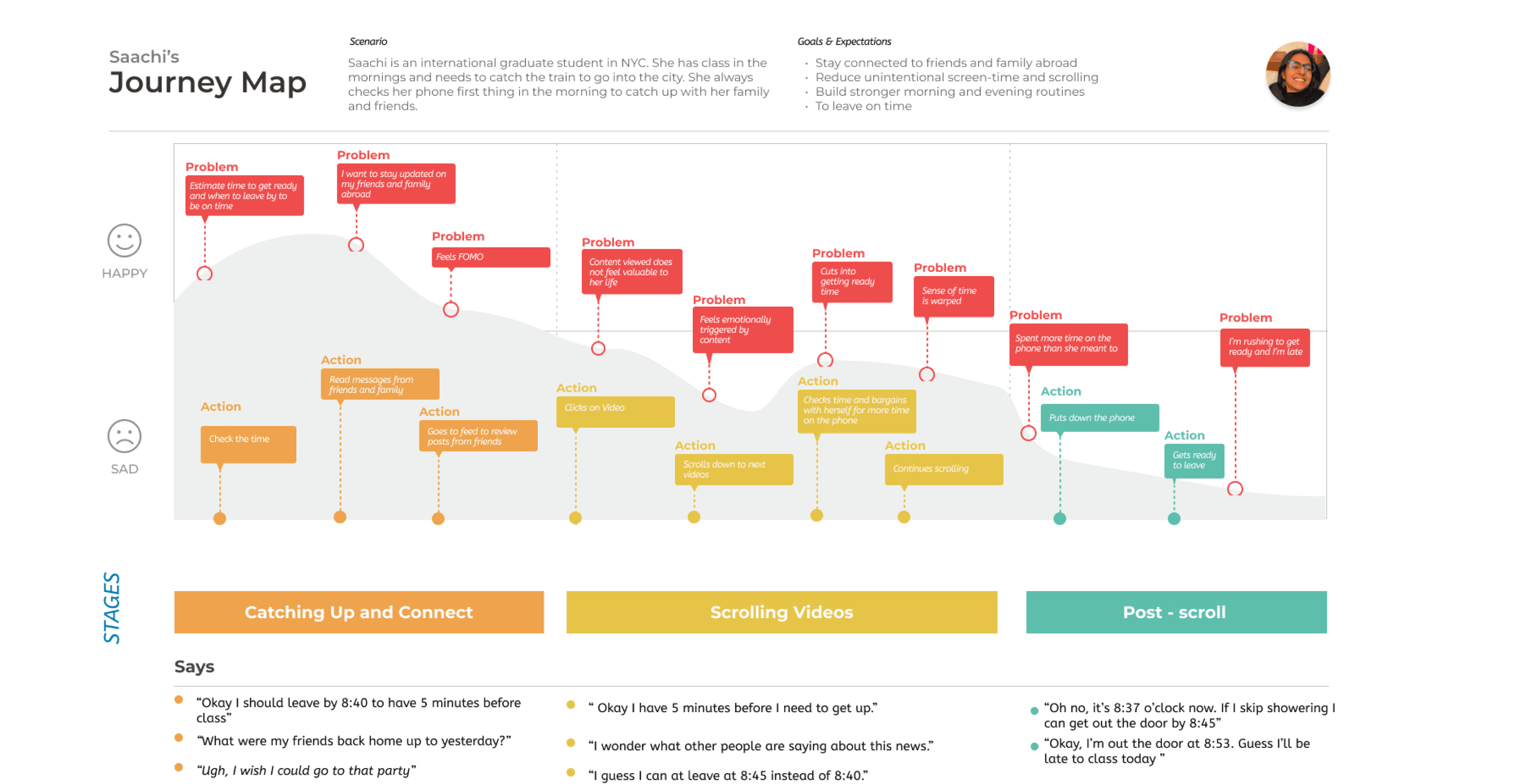
Understanding where time slips away
To better understand how screen time accumulates, we mapped a typical user journey around everyday phone use. Rather than focusing on edge cases, we looked closely at familiar moments where intention slowly gives way to habit.
What We learnt
Rephrasing our initial challenge
After synthesizing our research, we worked on a user story for our users:
As a chronically online user, I want to be more intentional with my screen time, so I can reclaim my time for activities I care about.
This led us to also revise our How Might We to reflect the behaviors we observed and the challenges we wanted our solution to address.
Challenge
How Might We Empoder People Who Want To Reduce Screentime To Reclaim Their Time Towards Meaningful Activities?
What We learnt
Learning From what's out there already
This exploration led us to rethink what screen-time support could look like beyond restriction or control. As we reviewed 9 popular tools available in the market, three recurring gaps became clear:
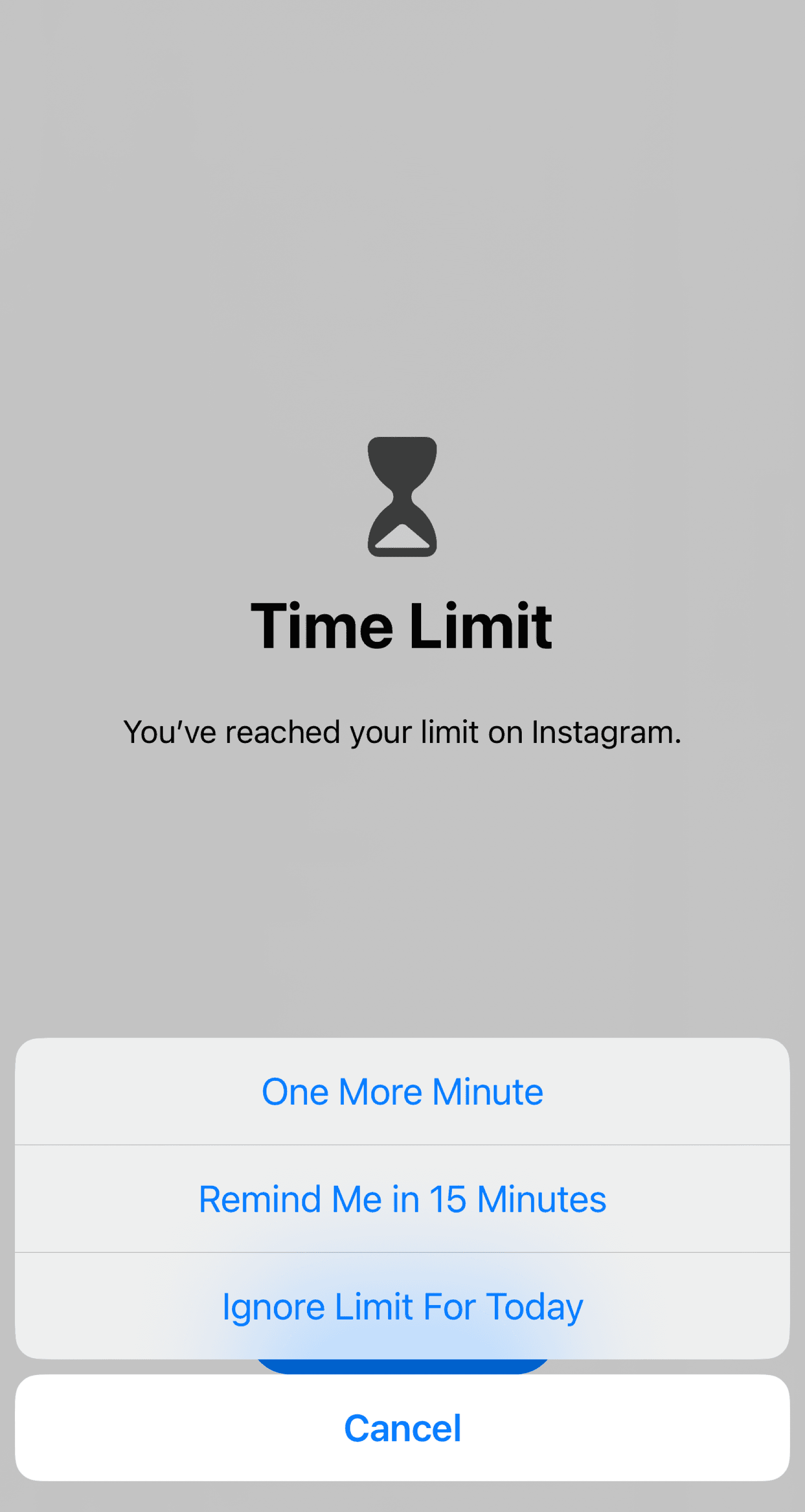
Lack of
personalization
Shallow
reward systems
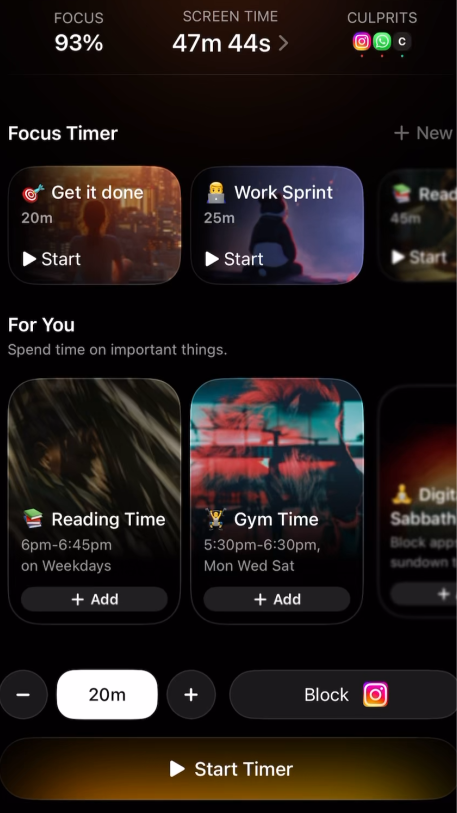
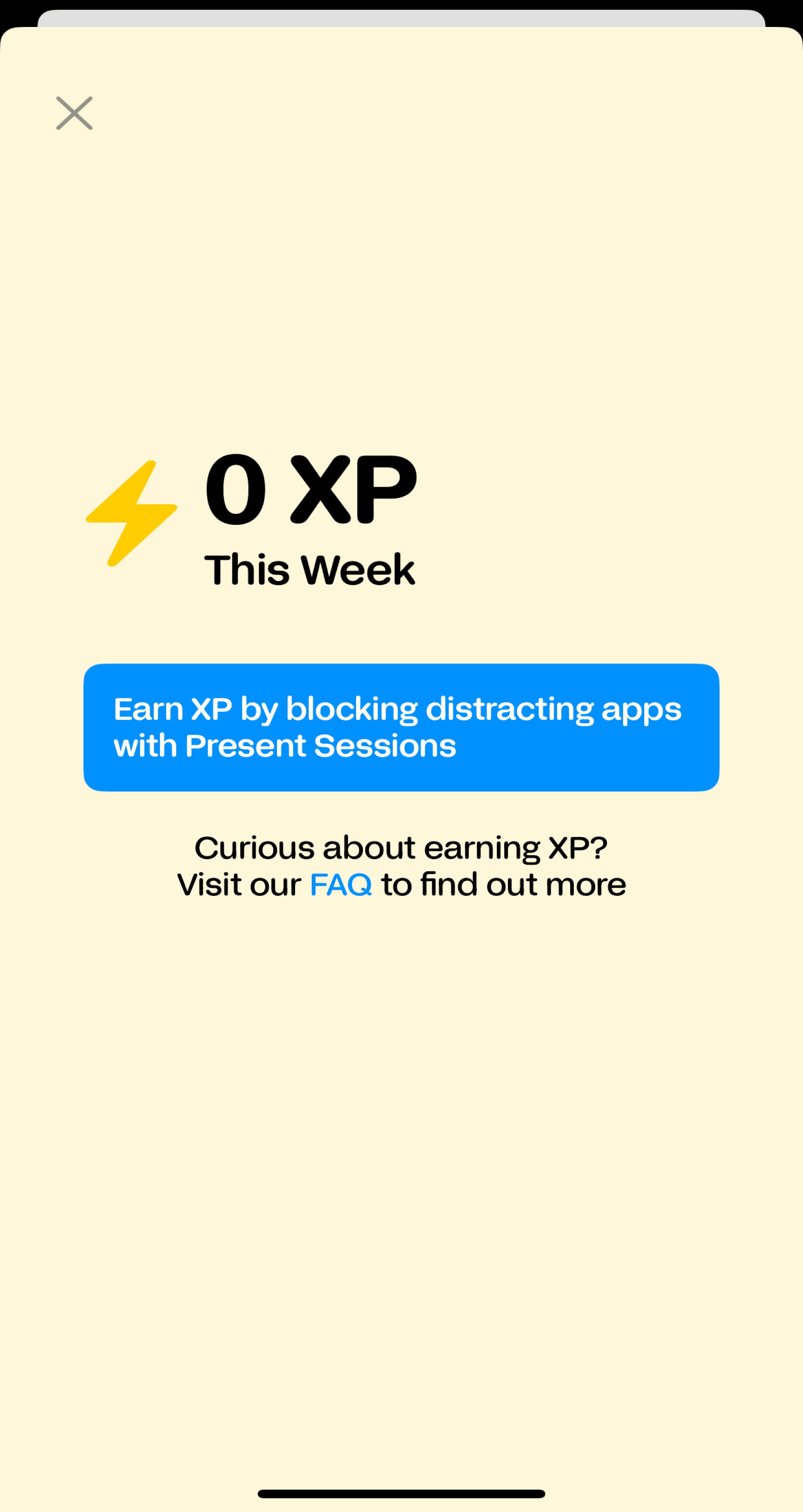
Absence of a sustainable middle ground
These gaps reinforced the need for a system that adapts to behavior rather than forcing change through control.
Making it make sense
Exploring and creating a system
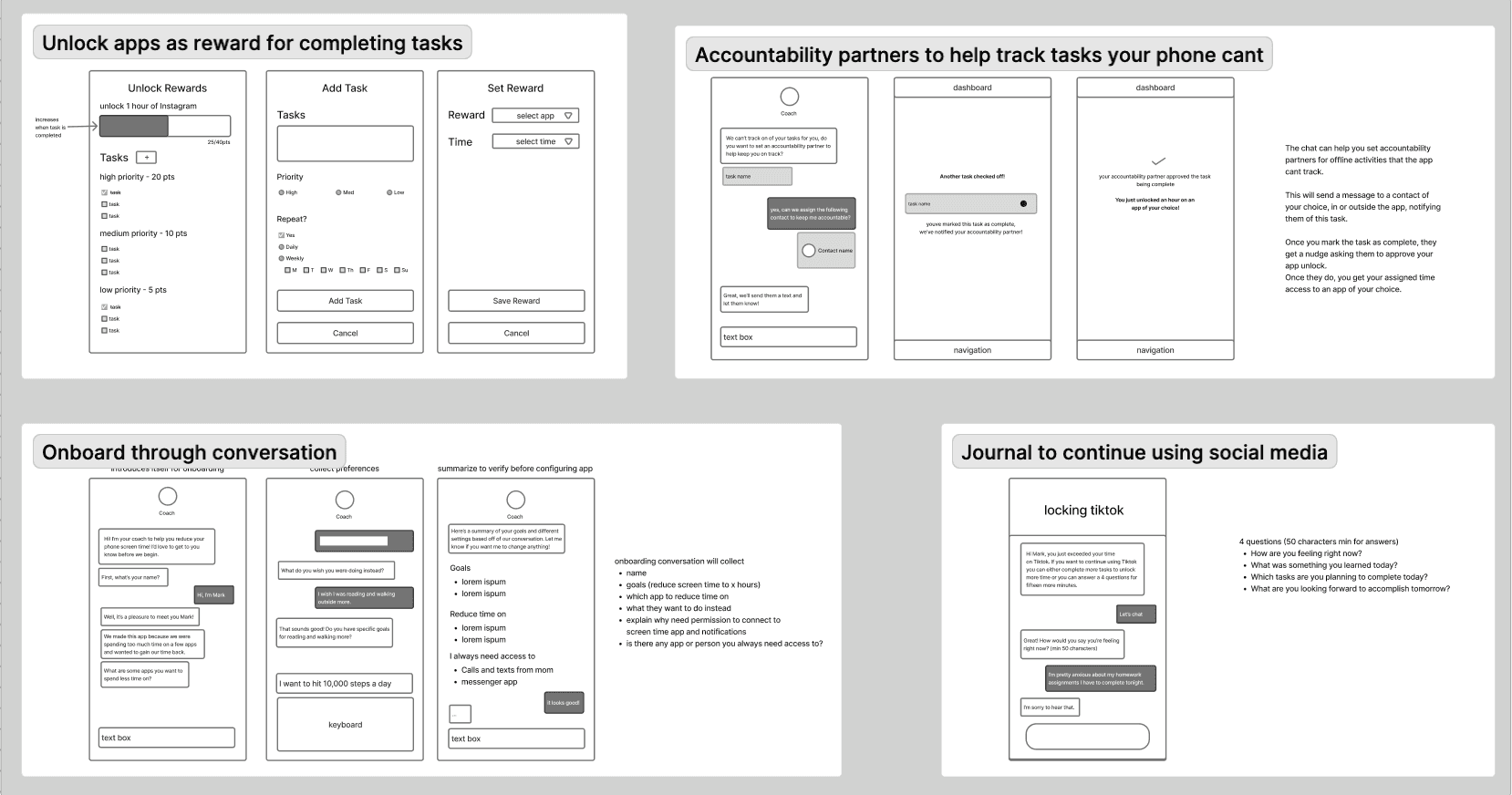
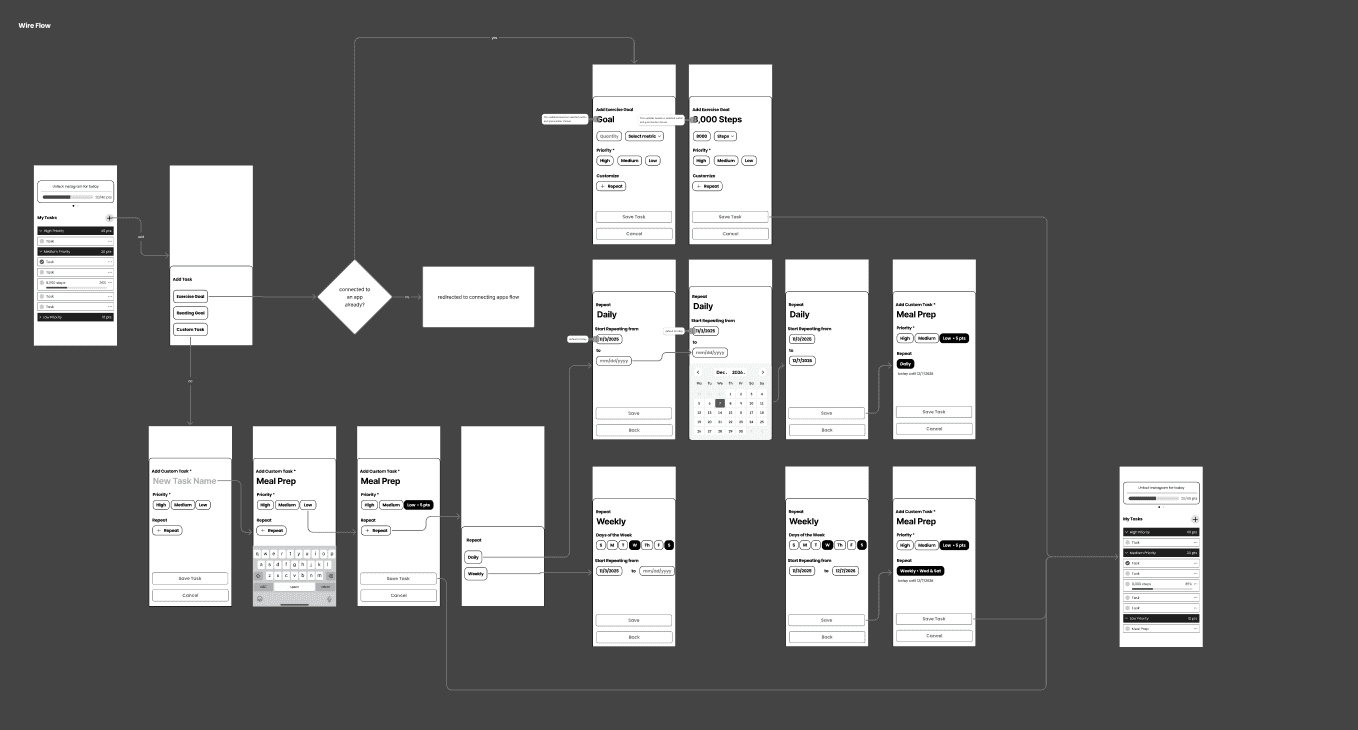
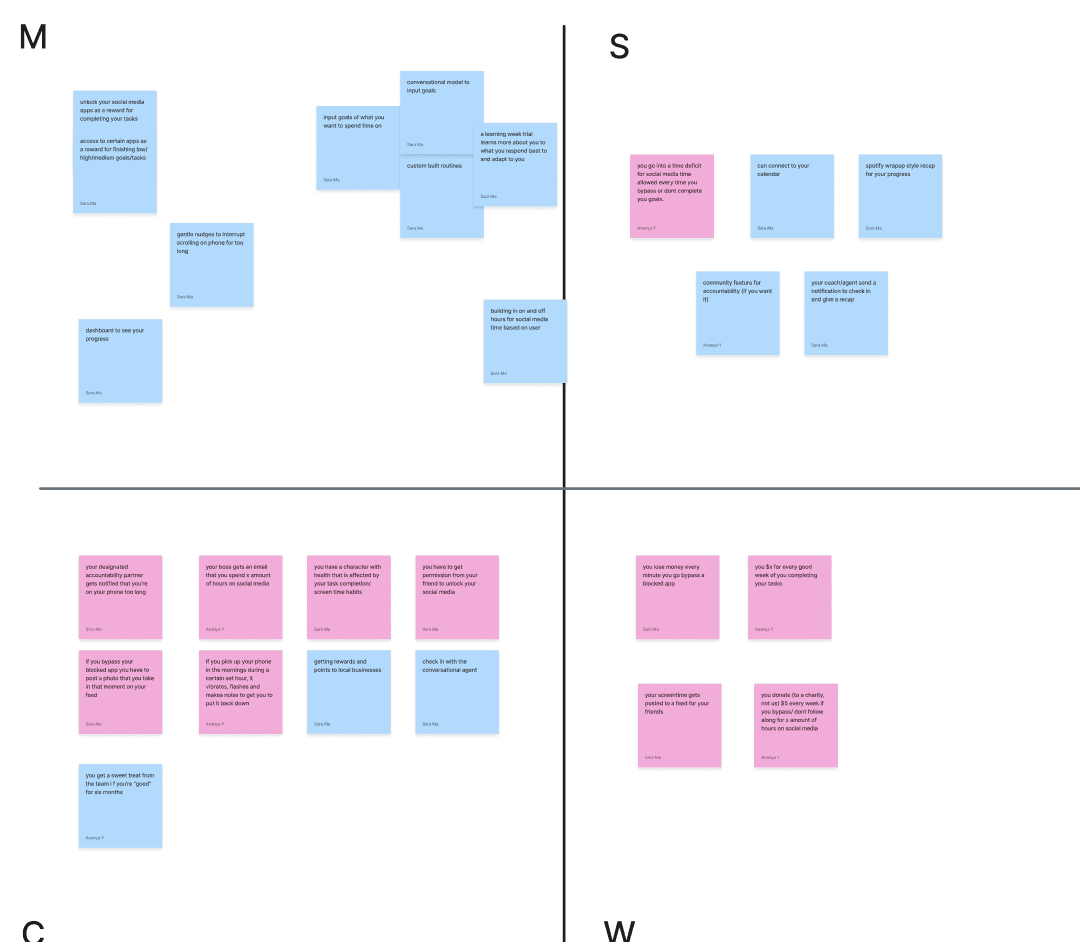
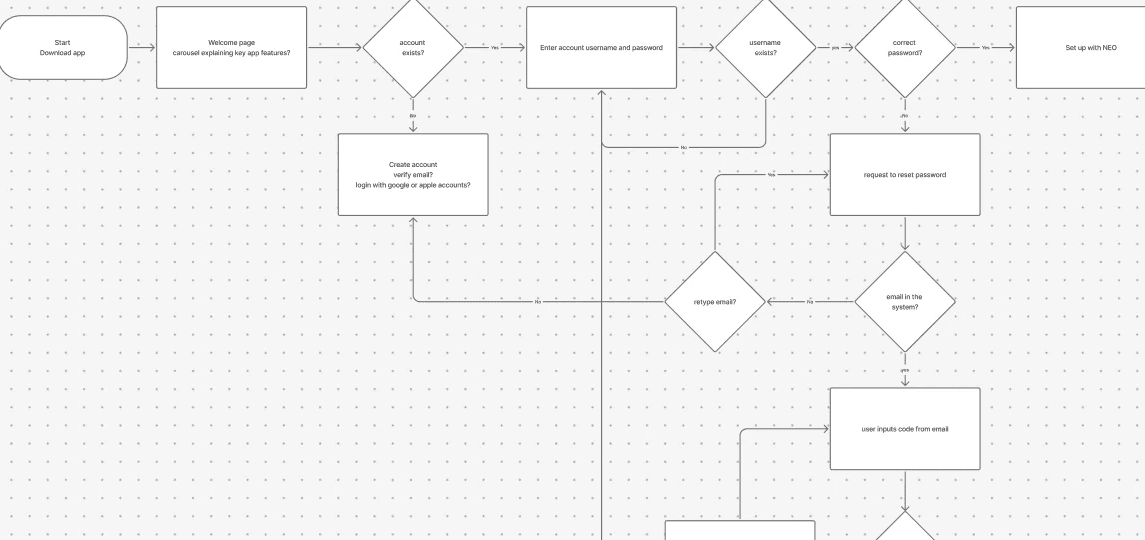
As the direction became clearer, we began shaping how the system could work in practice. We explored early flows alongside more defined screens to understand how the experience should communicate itself.
This phase focused on moments like onboarding, task creation, and what happens when screen access is paused, helping us clarify the core structure of the system.
User Testing
testing Early Concepts and Changes We Made
In our early phrases of testing our screens and concept, we learnt a tonne from our users and saw things we wouldn't have otherwise.
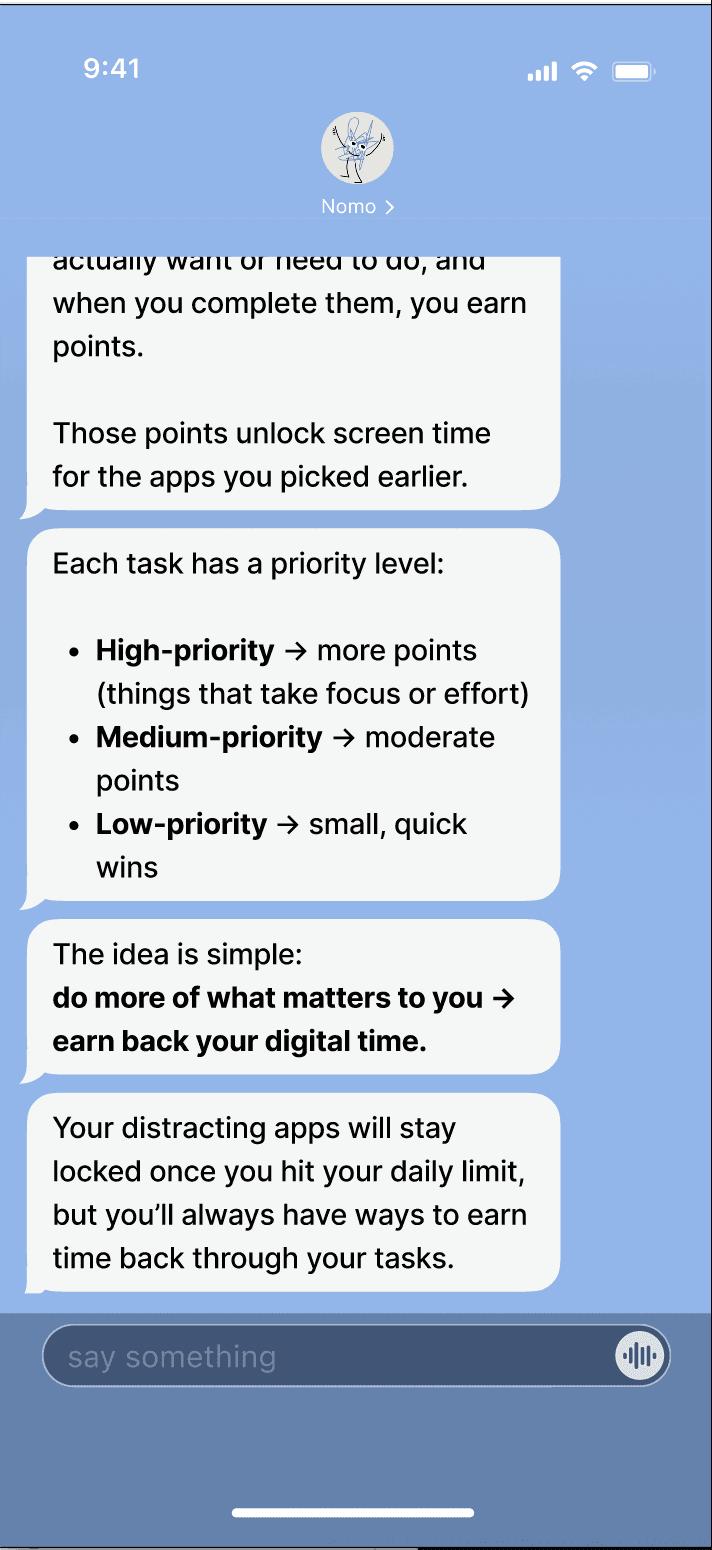
"Can It tell me what task I can do?Right now, it feels like a dead end."
- User R
"I’d rather see the task system visually, outside of the chat."
- User K
"Who sets the points? Can I customize them? Why can’t they be 5, 10, or 15?”
- User B
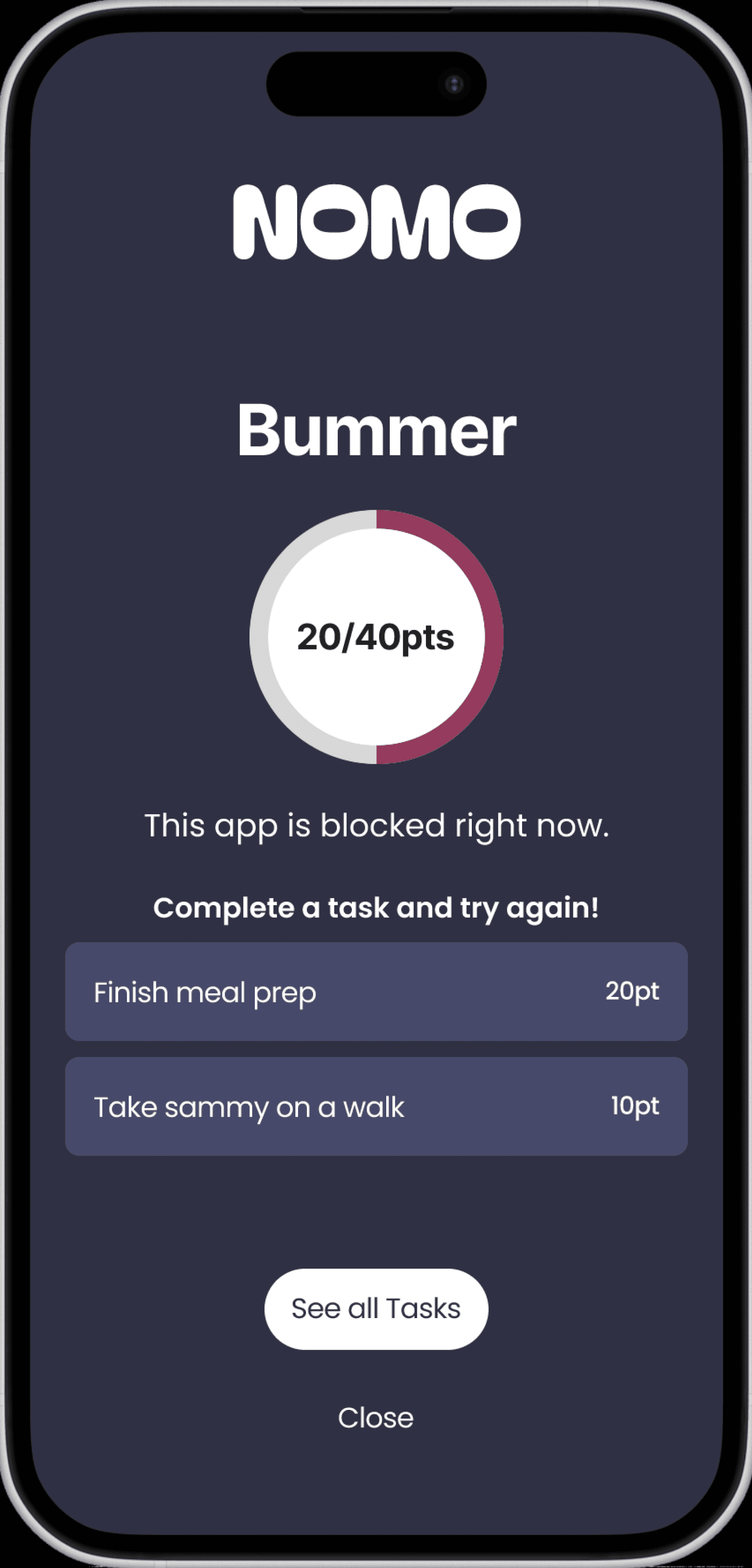
Based on testing, we focused on removing moments where users felt stuck or unsure of what to do next. Instead of treating limits as hard stops, we reframed them as prompts that guide users toward a clear action.
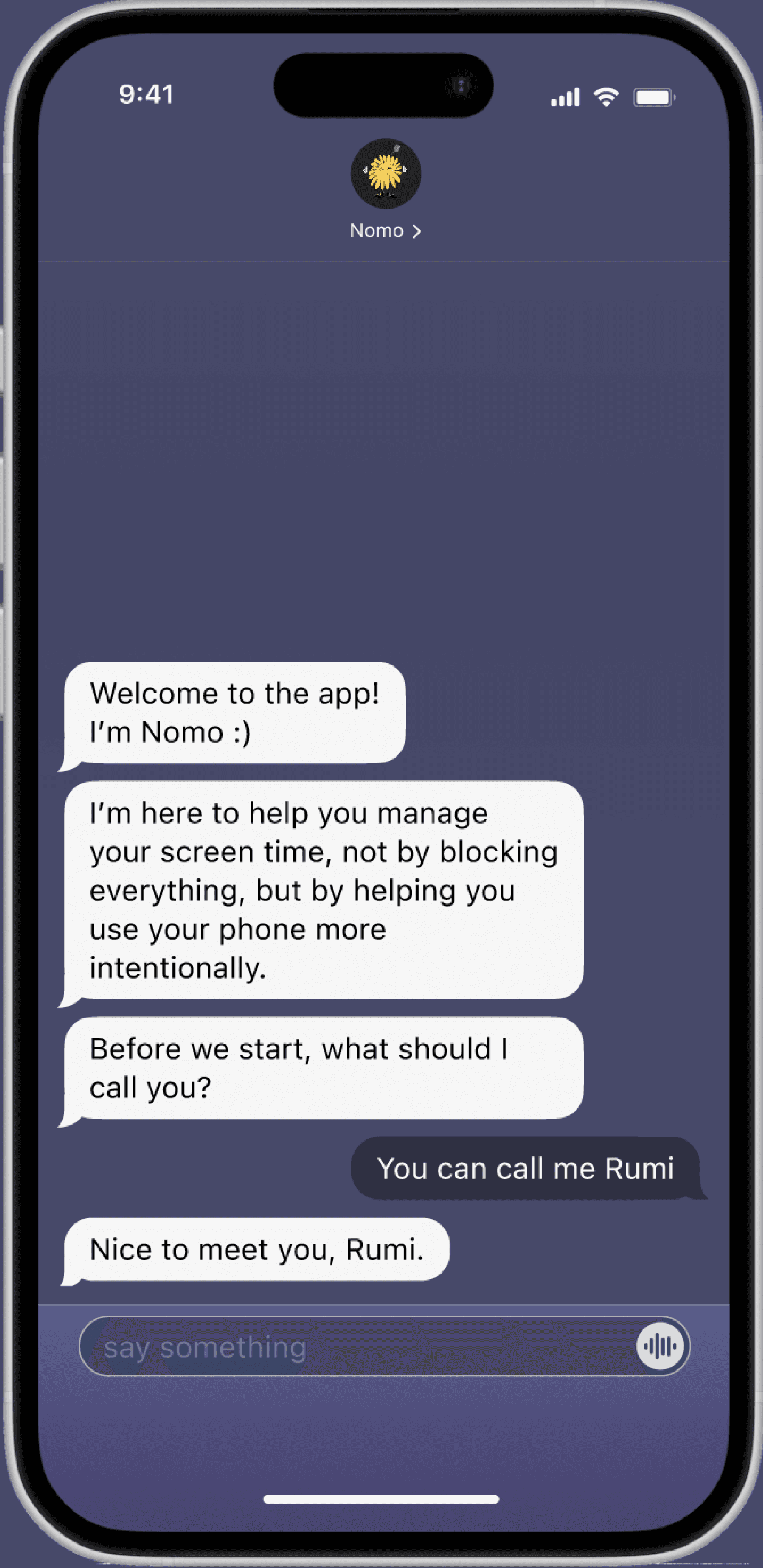
Feature overview first.
Personalization through chat second.
Clearer. Friendlier. Faster.
BEFORE
AFTER
A gentle stop.
Redirect to a quick task.
Back to your apps in no time.
BEFORE
AFTER
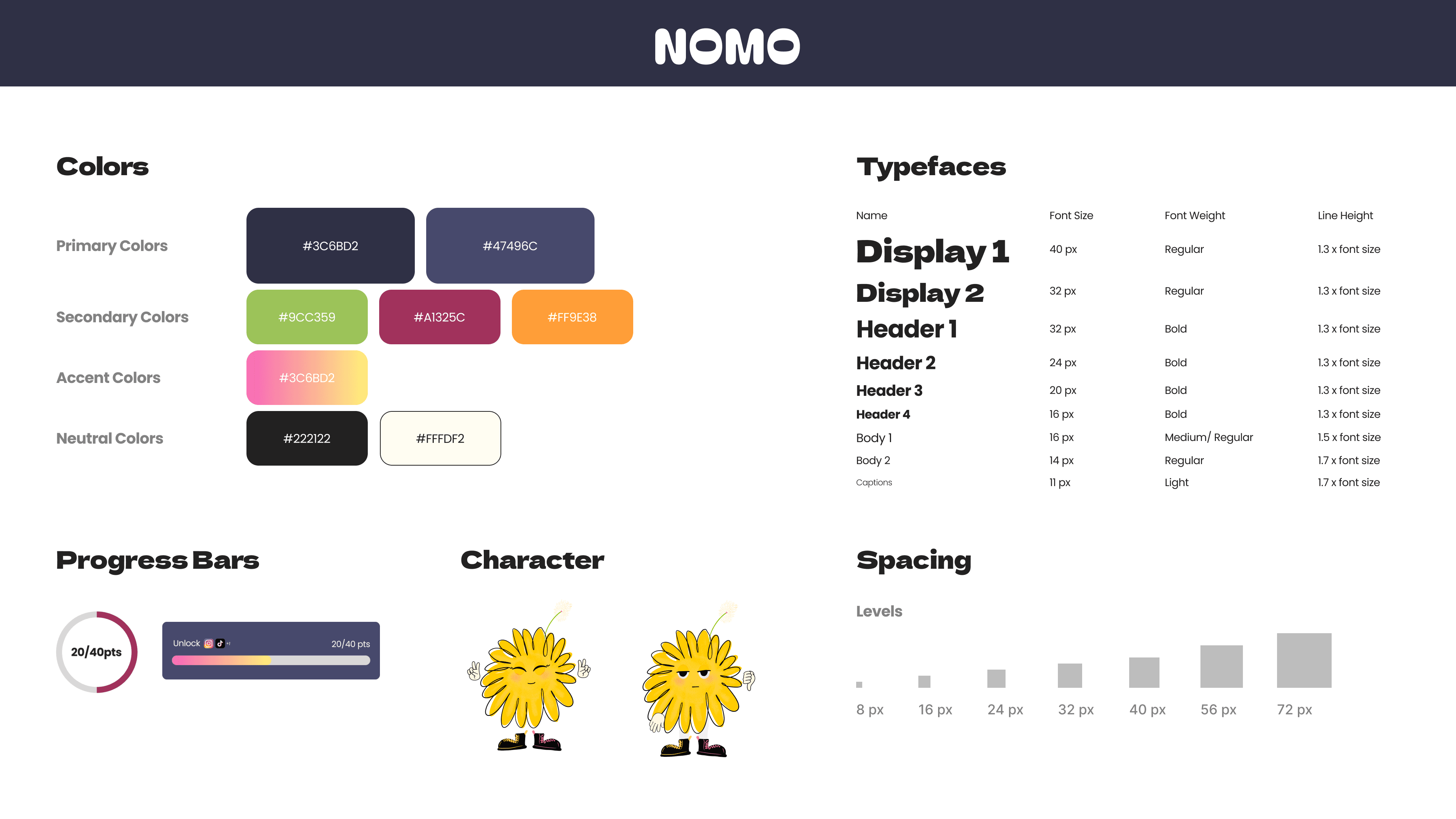
Visual Guidelines
but what would it look like?
The goal of NOMO wasn’t to add complexity, but to keep the system understandable at a glance. Visual and interaction decisions were guided by a small set of constraints focused on clarity, feedback, and flexibility.
These guidelines helped maintain consistency as the product evolved, especially across onboarding, task flows, and moments of interruption.
The Final Outcome
From research insight to product direction
We didn’t change the nutritional foundation of Fugo. That part was non-negotiable. What we changed was everything around it.
The diary study showed us that people were already adapting Fugo in creative ways to suit their goals and routines. Our job became less about fixing the product and more about giving people a clearer, more flexible story to see themselves in.
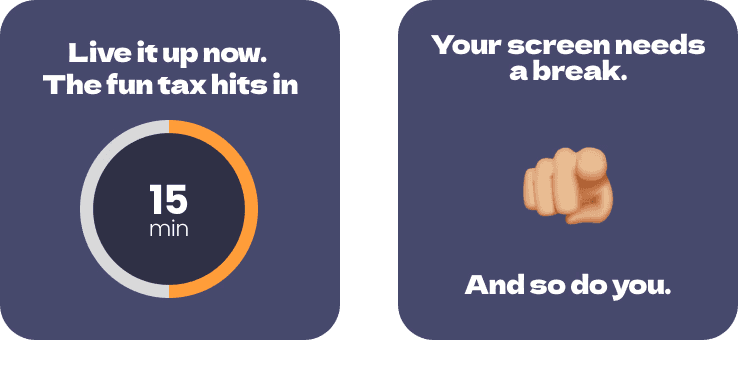
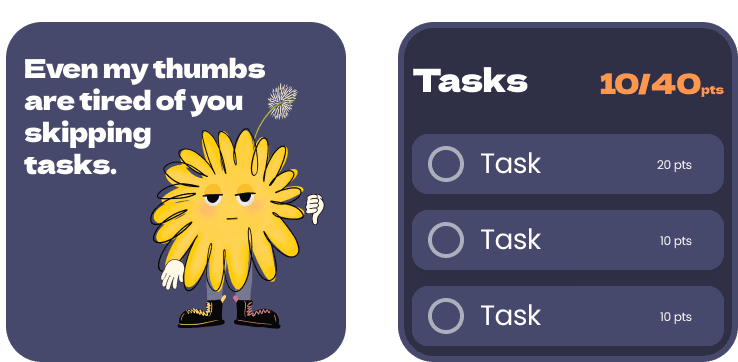
IOS Widgets
Looking back
What would we do if we had more time?
Short term
Expand core functionality with a clearer dashboard, additional widgets beyond initial mockups, and more customization options to test how flexibility affects engagement.
Long term
Shift from concept validation to experience depth through longer-term usability testing, refinement of the task economy, and adaptation to varied user routines rather than a single ideal workflow.
The goal is to evolve NOMO from a system that prompts pause into one that learns when to intervene and when to step back.
Looking back
What this entire journey has taught me
Working on NOMO made me more aware of my own relationship with control, motivation, and distraction. I started this project thinking about screen time as something to be managed, but through research and testing I began to see it as something negotiated moment by moment.
I learned that productivity tools can easily slip into judgment, and that designing for behavior change requires patience, flexibility, and empathy. This project pushed me to slow down, question my assumptions, and design systems that leave room for imperfect days.
More than the app itself, NOMO reshaped how I think about intervention, agency, and when design should step back.