a quick rundown
What was the problem?
Many smart cities and living laboratories promise innovation, but struggle to sustain participation, trust, and belonging. Prior projects often failed due to top-down planning, weak social fabric, and spaces that felt engineered rather than lived in.
What did we learn?
People are more likely to participate when spaces feel easy to enter, safe to contribute to, and supportive of informal connection.
The Brief
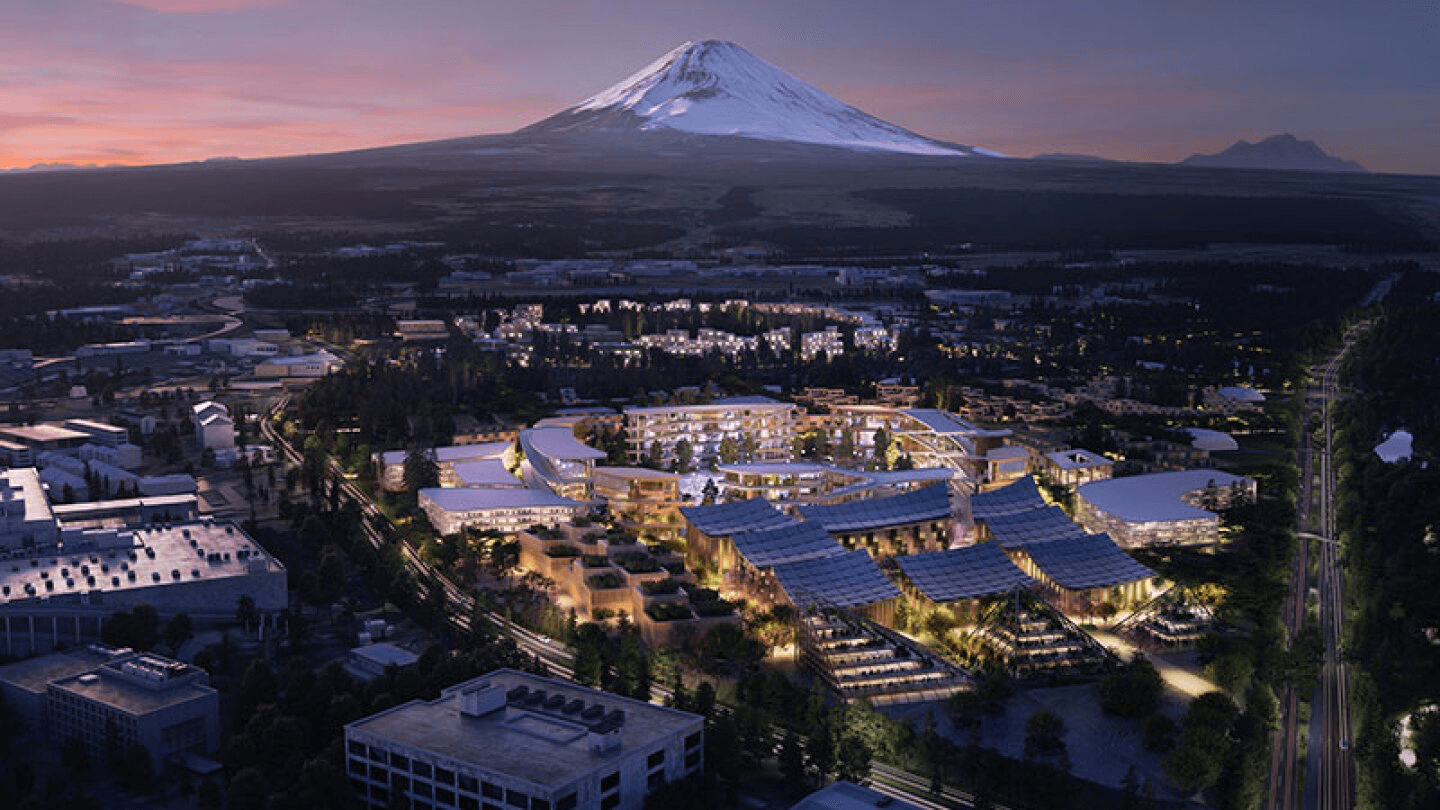
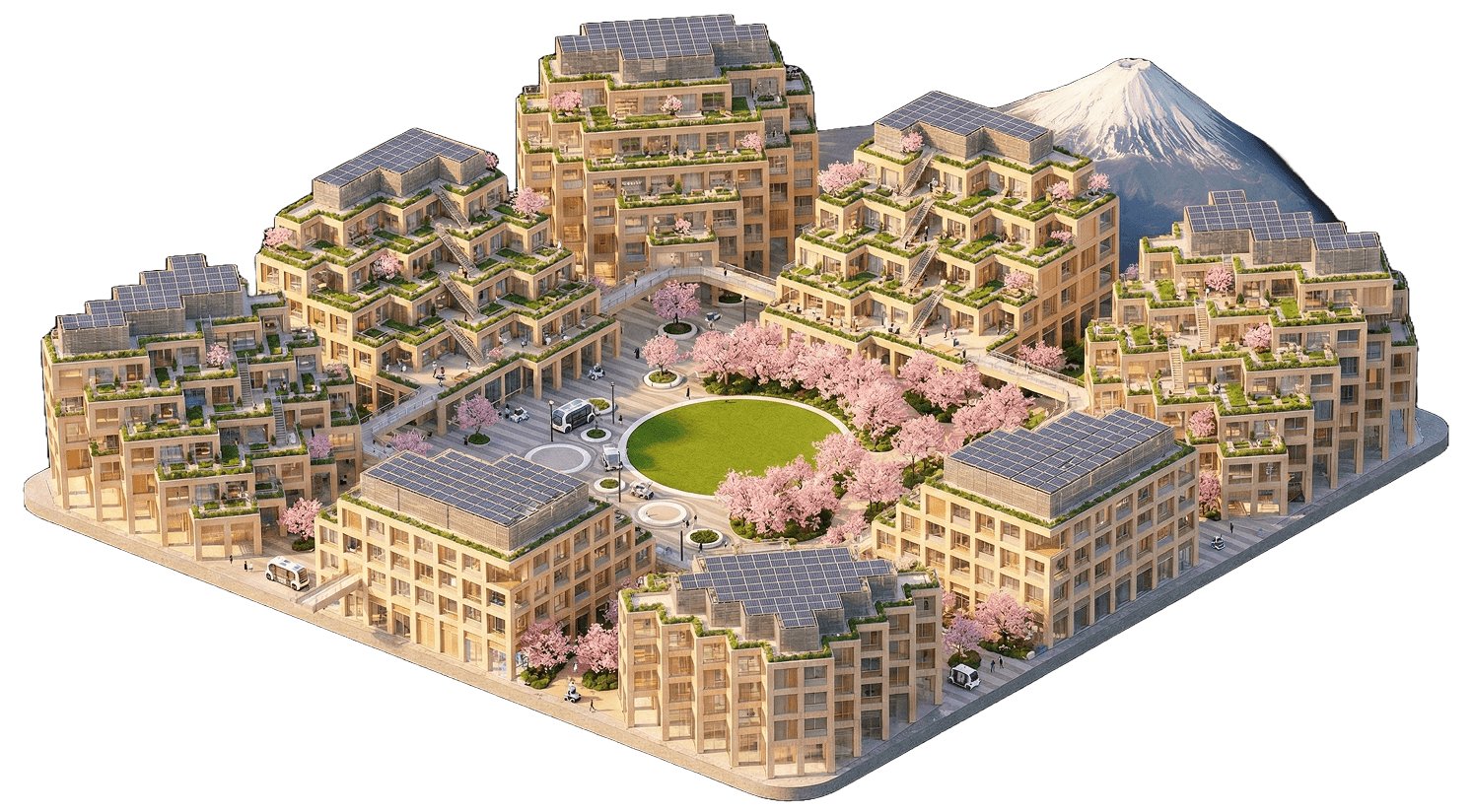
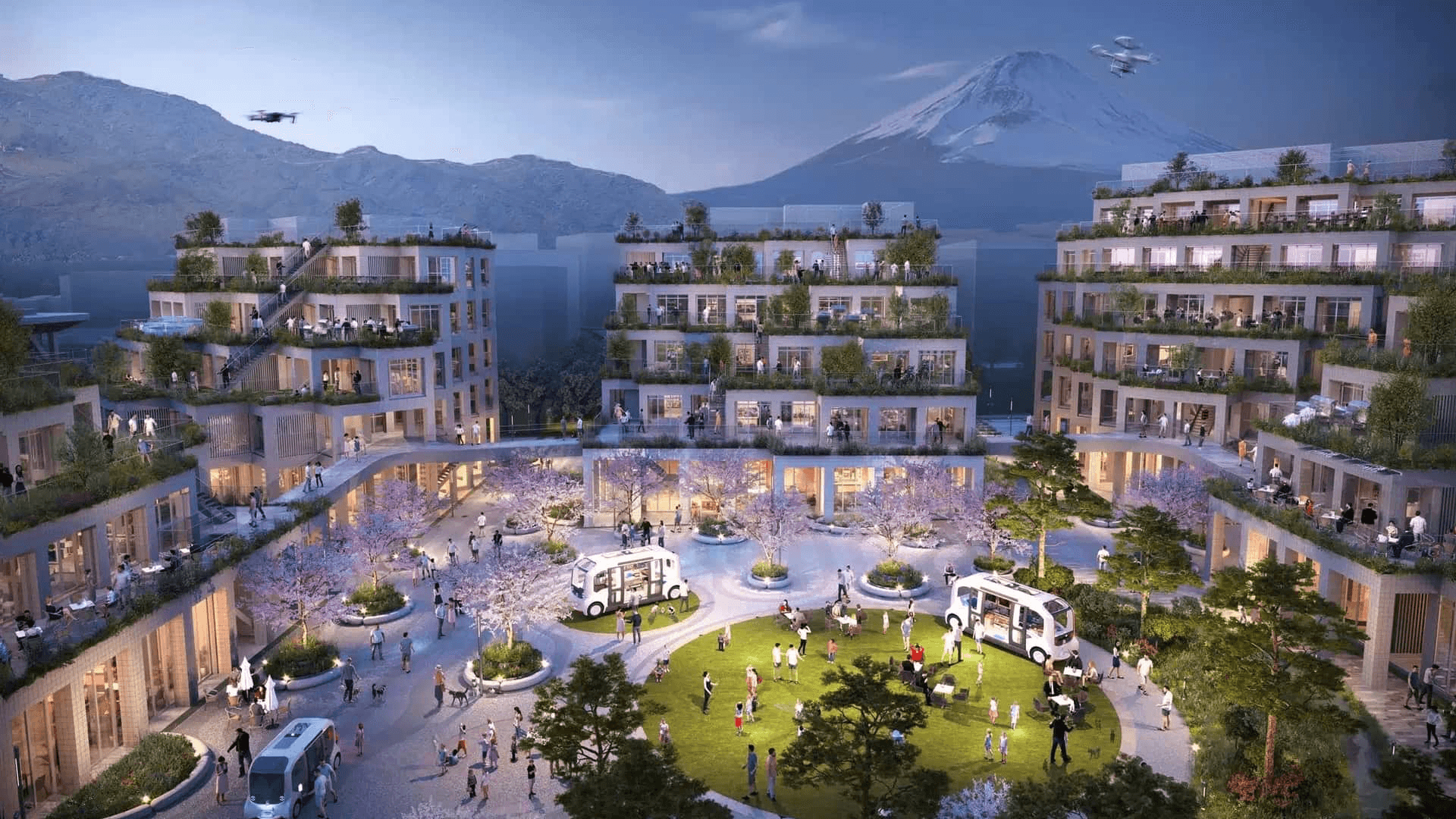
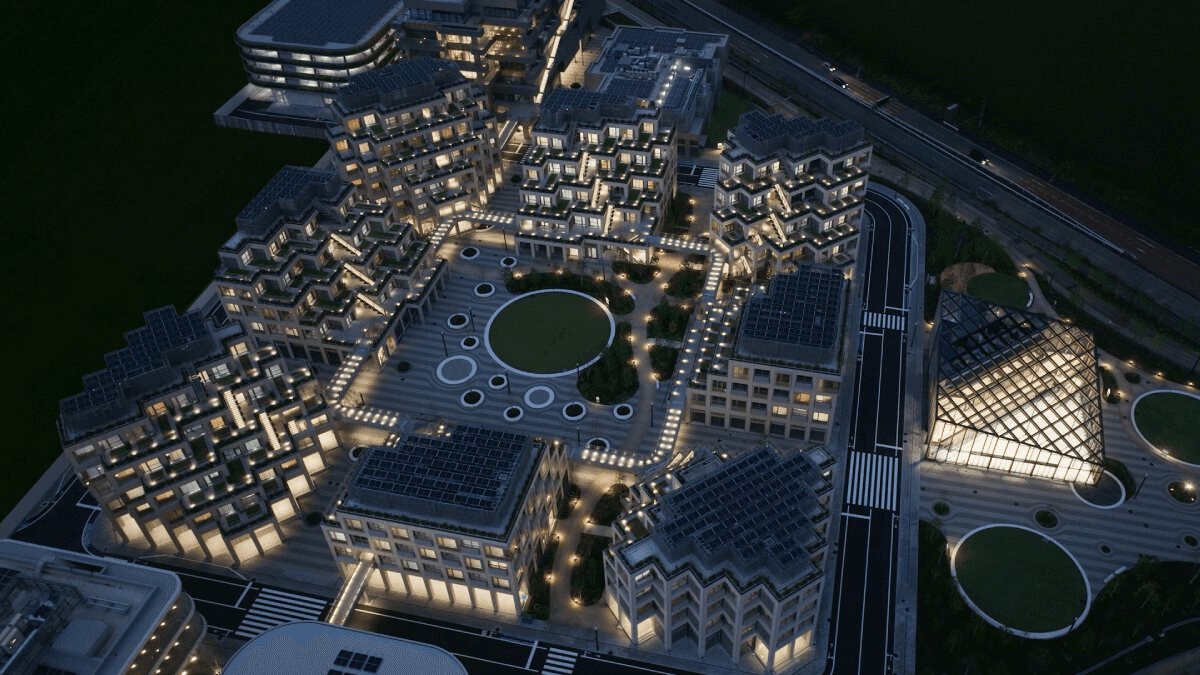
This project was conducted as a live research project for Toyota Woven City, an experimental city at the base of Mount Fuji designed to function as a living laboratory.
Woven City brings together Inventors building new technologies and Weavers living within the city, with the goal of co-creating future-facing systems through everyday life. Participation is not peripheral to Woven City’s vision, it is foundational.
This work explored what meaningful participation actually requires when innovation is embedded into daily living.
Timeline
3 Months
Role
Researcher
Tools
Zoom, Miro, Notion, Google Forms
The Initial How Might We
The Question We Started With
We were given a how might we with our project brief to get us started on exploring areas we could look into for our team. So, basically, Toyota's HMW for this project was:
"How might we understand and design for the motivations, practices, and conditions that enable diverse communities to actively participate in innovation, sustain collaboration, and feel a sense of belonging within living laboratories like Woven City?"
With this in mind we started exploring what perspective we could bring to the table and began a bit of secondary research on whats already been out there and what we could learn from it.
Secondary Research
What did the other cities get wrong?
We knew Woven City wasn't the first to imagine new ways of living. Many similar initiatives have emerged over the years, each offering valuable lessons about what it takes for these environments to thrive.
To ground our work, we looked at existing smart cities and living laboratories to better understand what life in these places looks like, what people need to feel invested in them, and what conditions help communities grow over time.
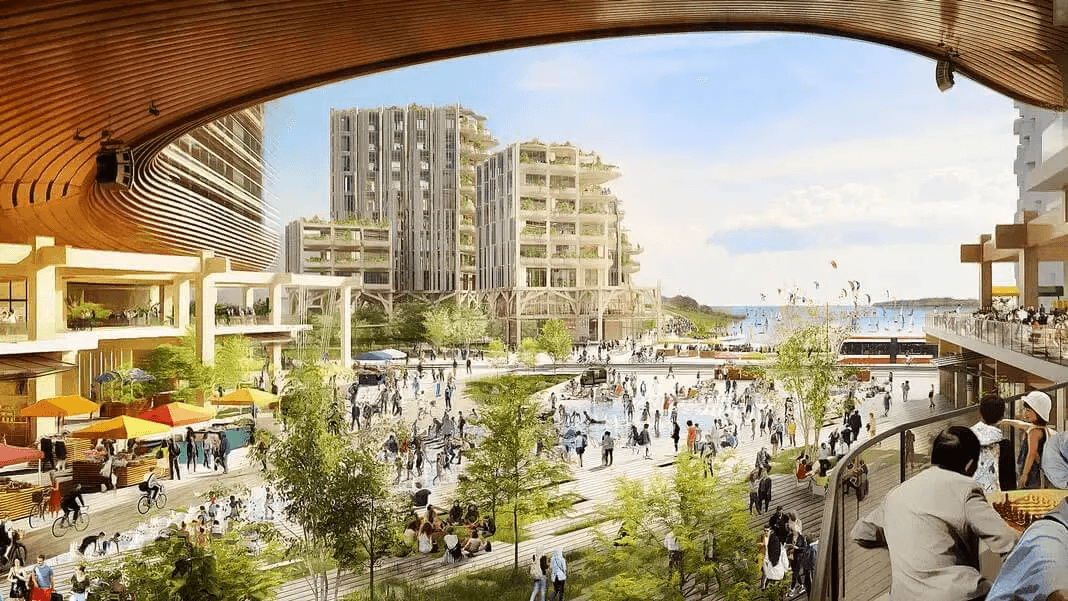
SideWalk, Toronto
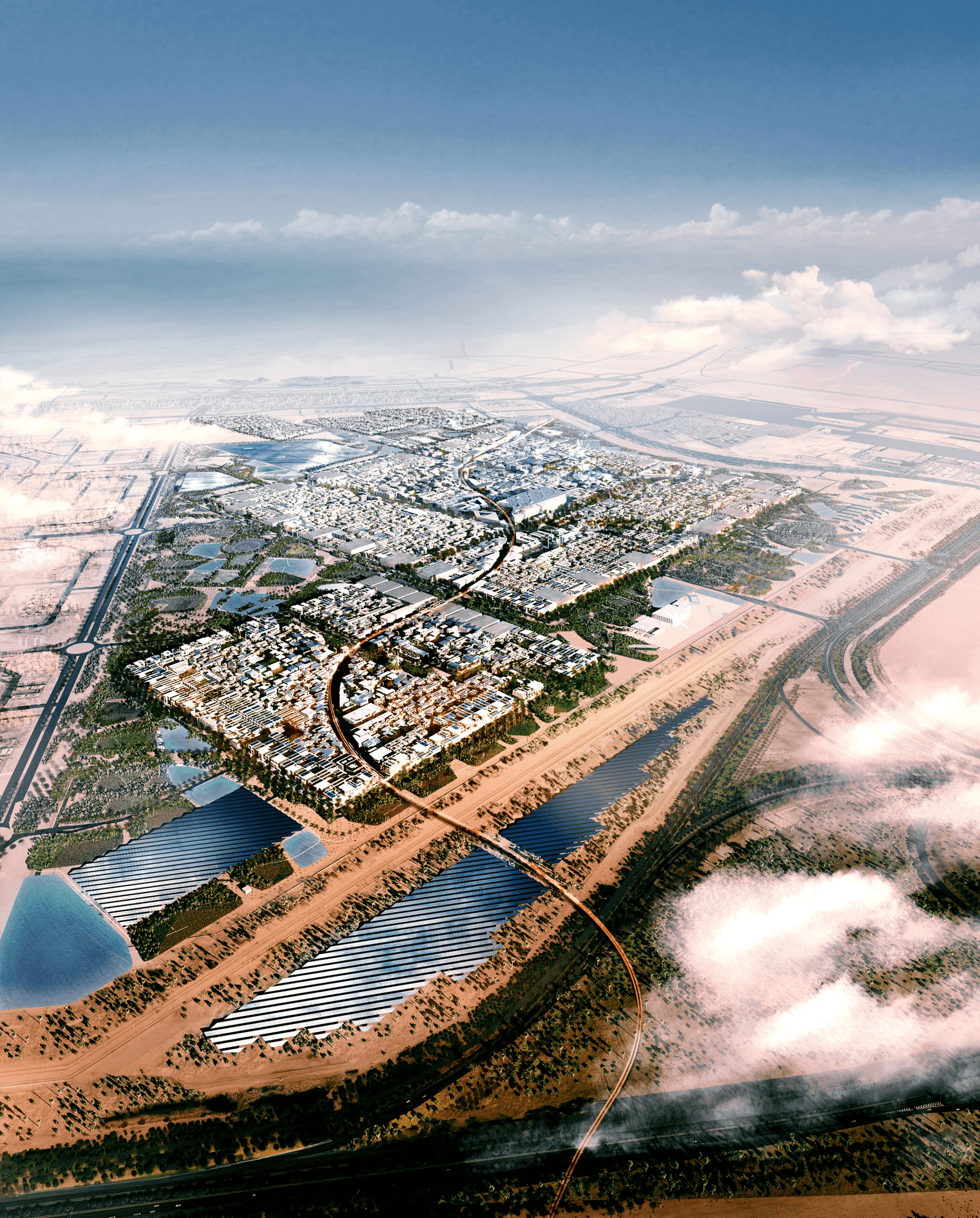
Madsar City, UAE
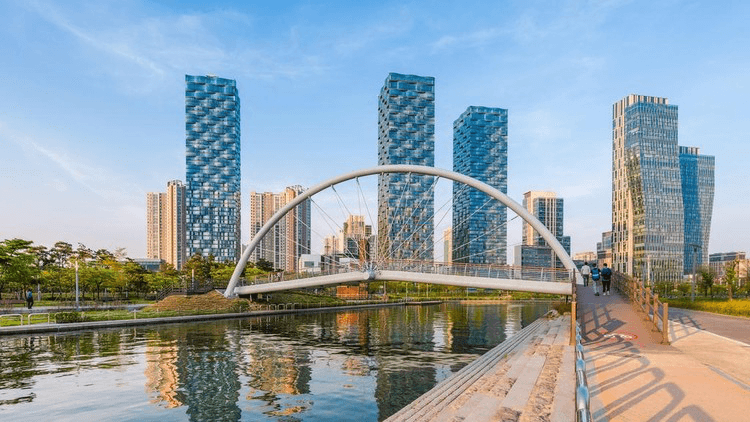
Songdo, South Korea
Many of these initiatives revealed how difficult it is to cultivate participation and social cohesion when communities are primarily shaped through top-down planning, when social life does not have time or space to develop organically, or when environments prioritize technological performance over everyday use.
Secondary Research
What Research already told us
Secondary research pointed to a consistent pattern across studies on community and belonging:
people want to feel connected, but fewer everyday structures support that connection.
American adults have reported feeling chronic loneliness
(Harvard, 2021)
Americans reported that they felt very attached to their local community
(Pew Research Center, 2018)
Proportion of adults with 10 or more close friends has declined from 1990 - 2021
(World Economic Forum, 2022)
Taken together, these patterns suggest that disconnection is not simply a personal issue, but a systemic one shaped by how cities and daily life are structured.
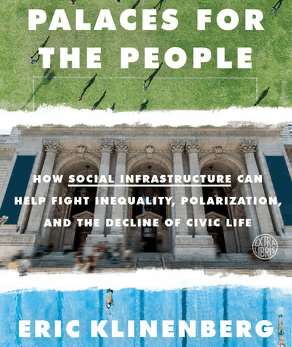
Sociologist Eric Klinenberg, in Palaces for the People, argues that loneliness is not an inevitable outcome of modern life, but the result of long-term disinvestment in social infrastructure.
We're more connected online than ever, but in the real world, we're more divided, isolated and increasingly polarized
We've neglected the spaces that bring us together. We’ve disinvested from libraries, parks, and public spaces. The result? We've accidentally engineered loneliness. We don't have places to just... be... together.
When we only meet online, we forget how to deal with people who aren't like us.
We blame the internet, we blame politics. But sociologist Eric Klinenberg in his book “Palaces for the People” argues that the real problem is architecture
How Klinenberg’s Ideas Informed Our Research Question
Everyday spaces like libraries, parks, and cafés shape how often people encounter one another, how comfortable they feel lingering, and whether relationships have the chance to form. When these spaces are under-supported, opportunities for connection quietly disappear.
This perspective reframed our research. Instead of asking how to prompt connection, we focused on how environments support the conditions for participation to emerge naturally.
Paying attention to the mundane
Looking for Participation Where It Already Exists
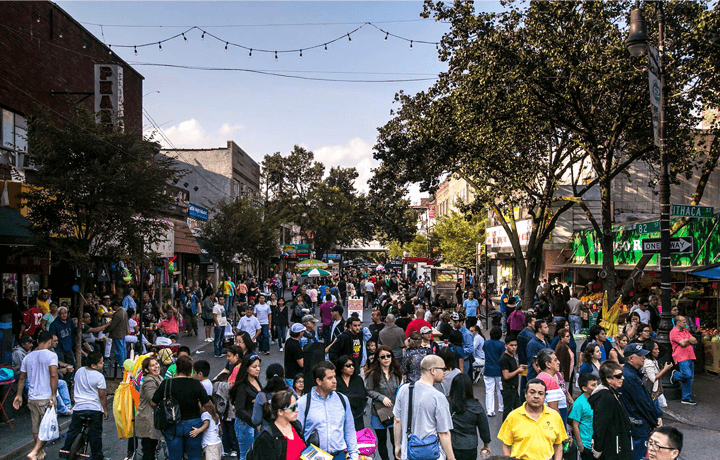
New York City is one of the most densely populated cities in the world, yet it continues to support deeply rooted and constantly evolving communities. Despite its scale, people find ways to connect, participate, and belong through everyday encounters.
Everyday third spaces such as libraries, parks, cafés, and shared community settings support informal collaboration without explicitly framing it as innovation. These spaces offered a grounded lens for understanding how people naturally gather, contribute, and return over time.
Narrowing down the focus
refining our research question
As we synthesized early research, one theme consistently cut across all others: participation. Specifically, what motivates people to engage, what sustains that engagement, and what makes belonging possible in shared environments. We then refined our research question:
"How might we understand HOW EVERYDAY THIRD SPACES — SUCH AS LIBRARIES, PARKS, AND SHARED MEALS — ENABLE INFORMAL INNOVATION, COLLABORATION, AND COMMUNITY-BUILDING. "
This led us to center our work around a single guiding question that could anchor the research.
Methodology
designing the research journey
To understand participation in a grounded way, we designed a research plan that focused on real, everyday environments rather than speculative scenarios. We were less interested in idealized innovation settings and more interested in places where people already show up, linger, and interact on their own terms.
We began by identifying different types of third spaces that varied in structure, formality, and social expectations. This included:
Organized
Structured environments with defined rules and roles
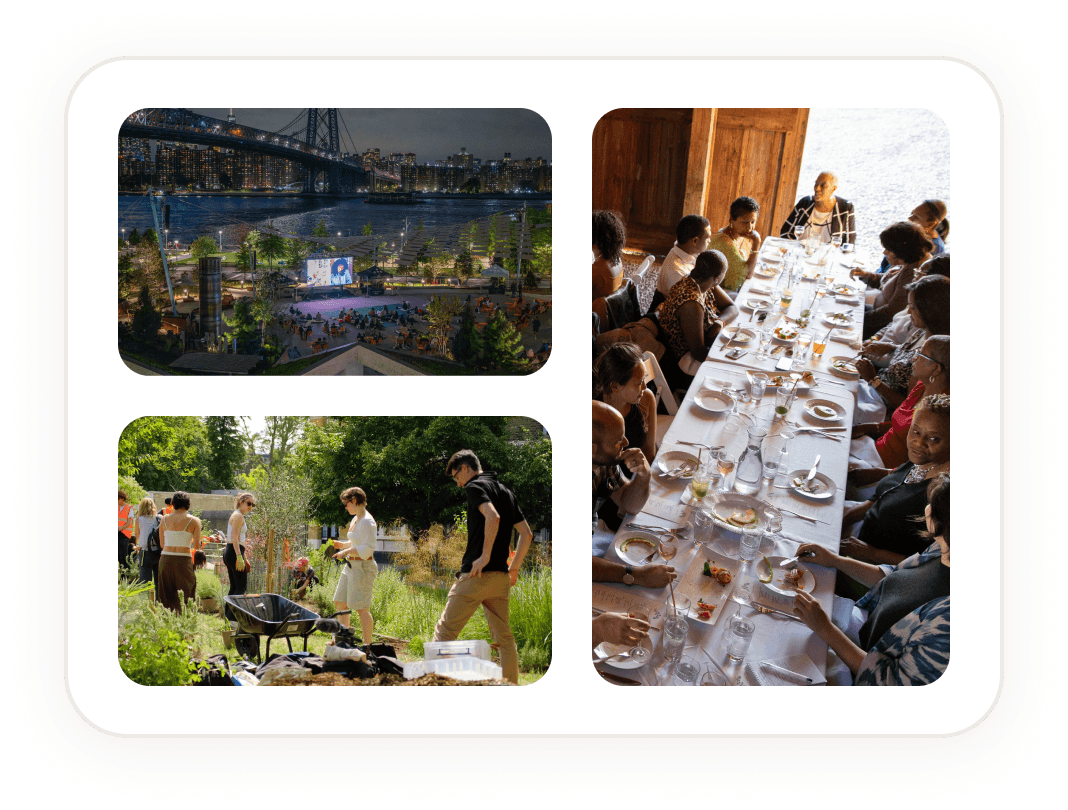
Unorganized
Places where informal interactions emerge naturally
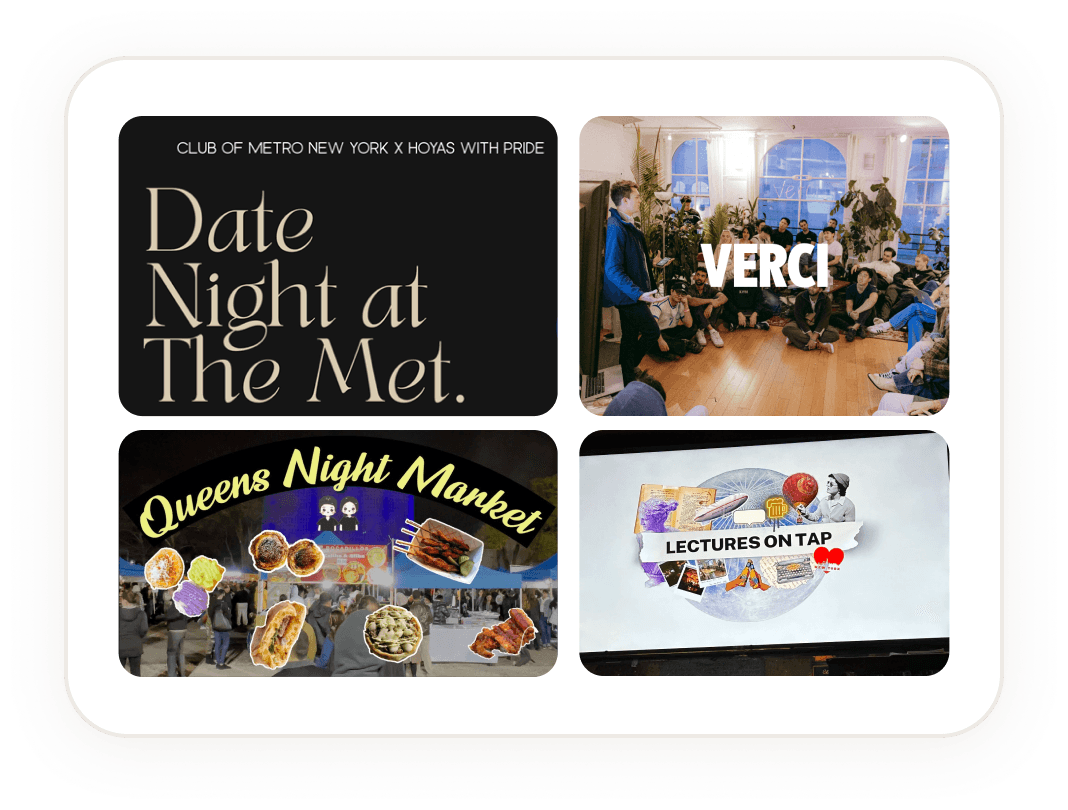
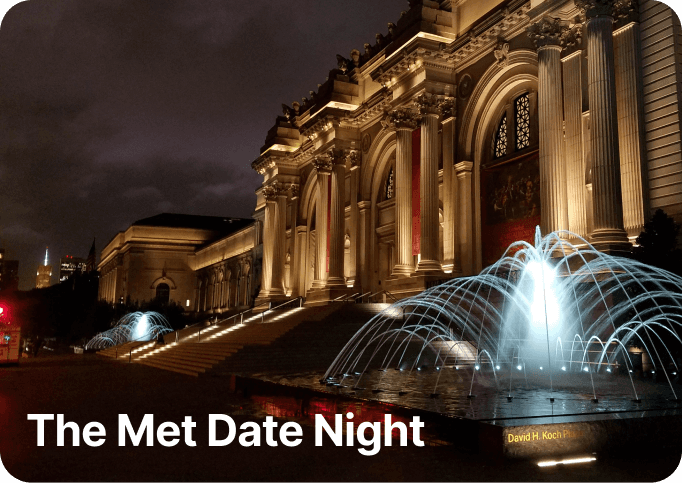
Experimental
Where organized events invite informal social connection
Our research approach combined multiple methods, each chosen for a specific reason.
We also narrowed down spaces that demonstrated regular activity, diverse participation, and opportunities for both observation and engagement. This process helped ensure that the environments we studied could reveal not just moments of interaction, but the rhythms and patterns that sustain them.
Together, this research plan allowed us to study participation as something practiced in daily life, shaped by space, routine, and subtle social cues.
Narrowing down the focus
patterns we saw
To kickstart our journey, we began with a survey to understand how people feel about third spaces and the factors that shape their experiences within them. A few key insights emerged from this initial research:
Want third spaces to be
low-pressure and approachable
Want third spaces to support both solo time and community activies
need 6+ visits before they feel a sense of belonging in a shared space
Distance is a barrier for them participating more in a third space
This helped us form a broad understanding of what people were looking for, which then guided our contextual inquiry across the city. We focused on spaces that fit into one of three categories: organized, unorganized, and experimental.
We explored the following places:
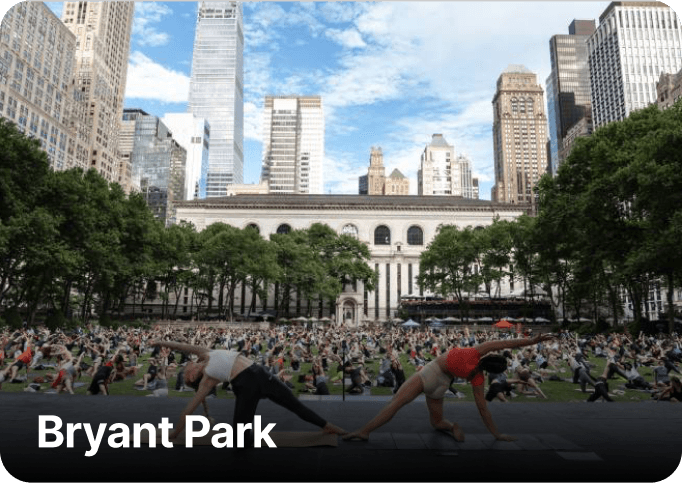
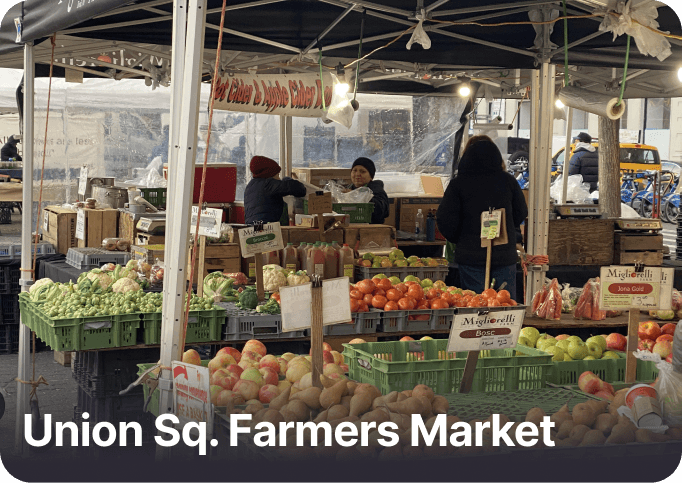
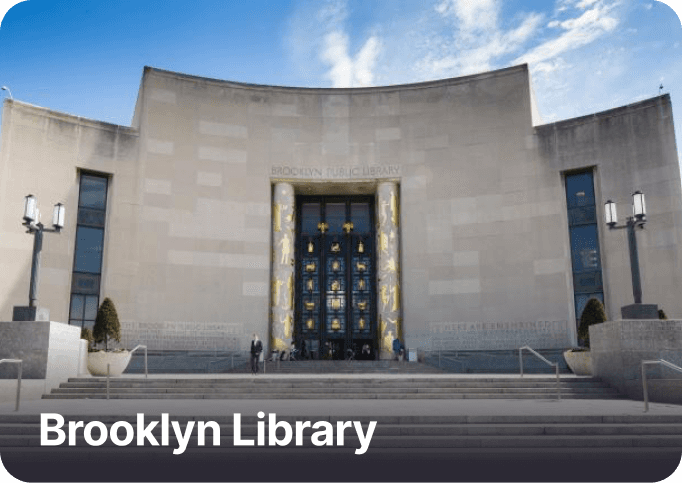
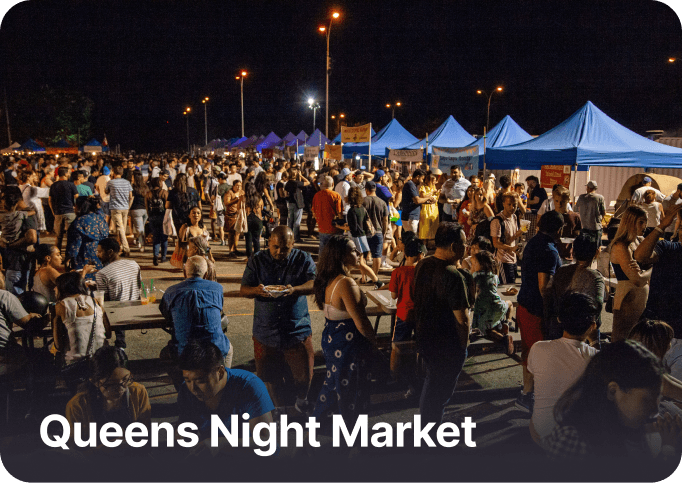
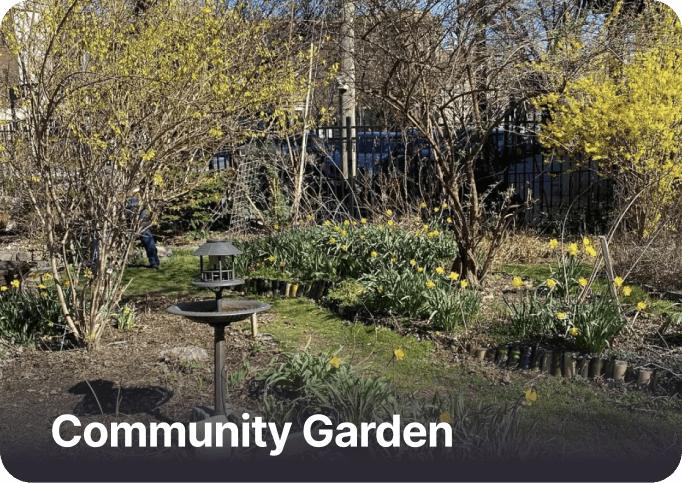
Here, we explored the spaces firsthand, took field notes, and spoke with people actively participating in these communities. We learned that:
Trust Is Built Through Predictable Rituals and Shared Routines
Across sites, we observed consistent micro-rituals, such as weekly repair hours, gardening check-ins, shared clean-ups, or even the simple act of greeting newcomers. These small but repeated actions signaled stability and openness, creating a dependable rhythm that made participation feel safe. Trust wasn’t announced or enforced; it quietly emerged through familiar patterns that lowered social barriers over time.
We also found that:
Serendipity Is a Catalyzer for Informal Innovation
Many meaningful ideas and connections emerged from chance encounters rather than planned activities. Spaces that encouraged wandering, observing, and casual mixing created room for unexpected collaboration.
Accessibility Gaps Were Subtle but Shaped Who Participated
Small, often invisible obstacles, such as unclear entry points or unfamiliar norms, quietly filtered participation. Clear invitations and the ability to observe before joining made spaces feel more accessible.
Supportive, Uplifting Environments Cultivate Belonging
Participants consistently described ideal third spaces as collaborative, supportive, and uplifting. Even without active interaction, the emotional atmosphere influenced whether people felt comfortable staying or returning.
Design Can Lower the Threshold of Participation
Built-in tools, ready-to-use setups, and visible cues for collaboration made taking initiative feel less intimidating. When logistics were handled by the environment, people felt more confident contributing.
Acting on what we learned
developing a framework
We began by sitting with the mess, pulling together field notes, interview snippets, and observations from across spaces. Through synthesis and iteration, we searched for patterns that consistently shaped people’s experiences.
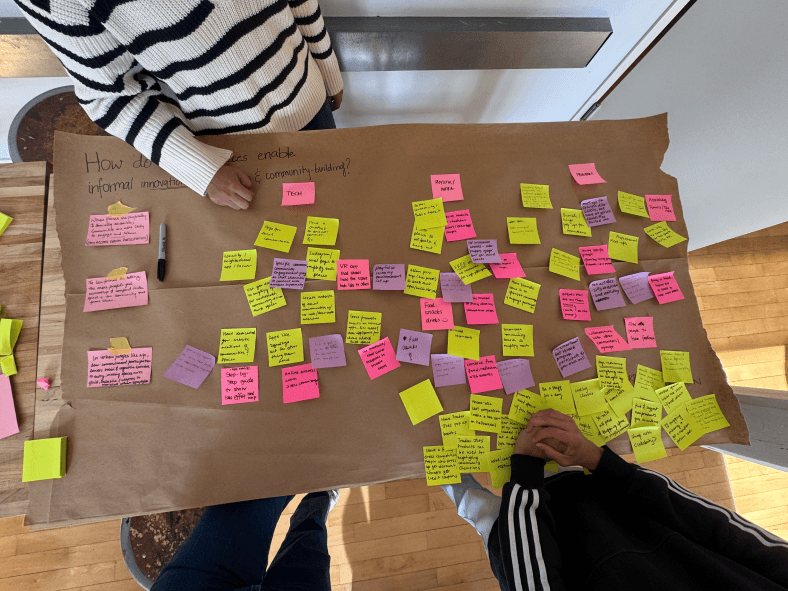
These patterns were refined into a cohesive framework grounded in lived experience. It outlines the conditions that help third spaces not just exist, but thrive over time.
a framework to create thriving third places
Psychological safety
People must feel unjudged so they can share ideas, take risks, and engage authentically without fear.
Integrates aspects of play
Playful elements lower social barriers, spark curiosity, & encourage low-stakes experiments, leading to deeper engagement
Recognition & belonging
Small acts of acknowledgment reinforce identity and connection, making spaces personal & meaningful.
Low barriers to entry
People should feel welcome to join without cost, expertise, or prior knowledge—removing intimidation and opening doors to everyone.
clear ways to participate
Visible, simple steps help people understand how to join, grow, and take ownership.
Accessible locations
Spaces must be easy to reach and embedded in popular places
shared decision-making
Members influence rules, programming, and resource use, ensuring the space reflects collective needs rather than top-down directives
Adaptive spaces
Design should flex between structured events and unplanned encounters, allowing the environment to respond to how people actually use it.
Regular rhythms
Rituals create predictability & trust, making communities form habits around shared time.
How can smart city projects like woven city inject our framework into its communities?
Making it make sense
Bringing it back to the woven city
These concepts emerged in response to the core tensions we observed across third spaces, particularly around access, leadership, and sustained participation. Rather than functioning as standalone ideas, they work together as a spectrum, moving from low-barrier entry points to supported forms of stewardship, reinforced by shared rituals and citywide visibility.
At the foundation of this framework are two complementary approaches. Together, they create pathways for engagement that feel both accessible and meaningful.
What it is
Flexible spaces with modular materials that invite casual, open-ended co-creation.
Why it matters
Participation feels obvious and low-pressure. People can observe, try, or contribute without commitment.
What it enables
Open feedback, visible collaboration, and experimentation woven into everyday environments.
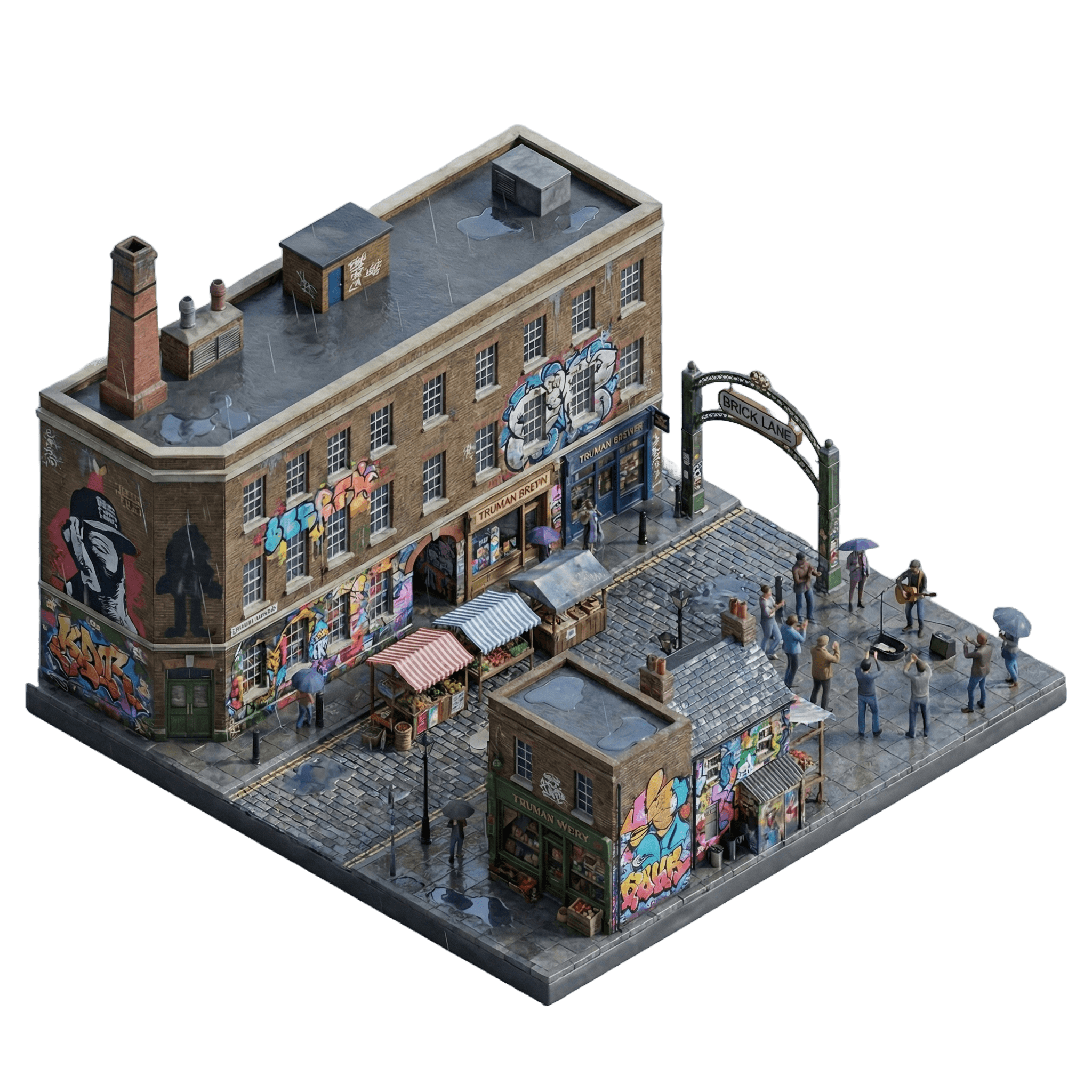
Blank Slate zones
What our research said
Flexibility lowers pressure and makes participation feel natural
Residents are provided with modular raw materials to build their own temporary structures, markets, or gardens
Examples In Practice:
Micro-plazas as modular collaboration pockets
Built-in tools & shared areas that require no setup
Clear cues like “Observe,” “Join,” or “Co-create
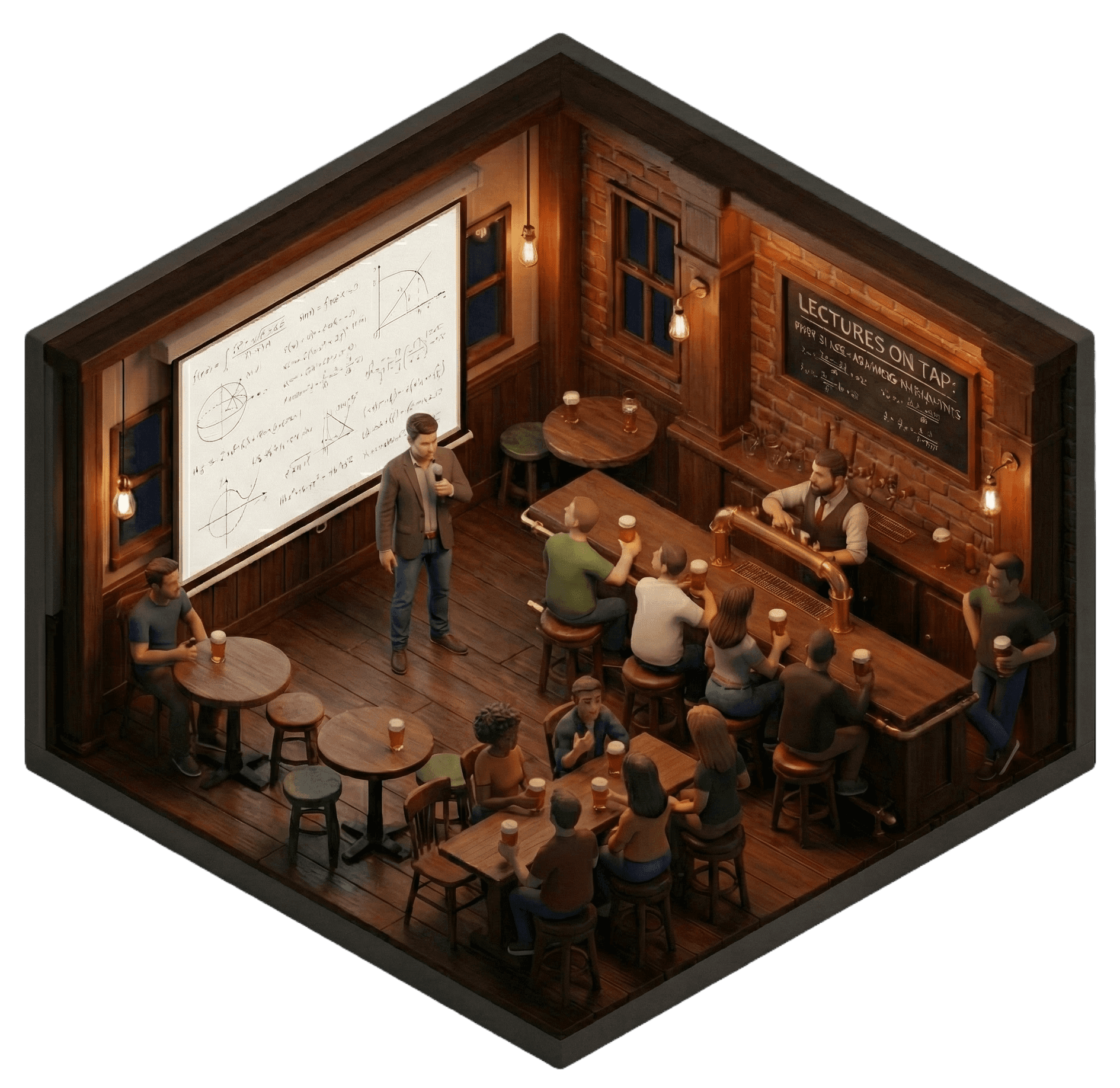
Examples In Practice:
Event starter kits and workshop kits
Bookable spaces with logistical support
Inventors as collaborators, not gatekeepers
Participatory Stewardship
While Blank Slate Zones lower the barrier to entry, the Participatory Stewardship Model supports people in stepping into leadership and ownership over time.
What it is
A system that helps people gradually step into leadership without carrying the logistical load.
Why it matters
Leadership feels fulfilling, shared, and accessible. Participants can collaborate with inventors and still lead in small ways.
What it enables
Ownership, purpose, and sustained engagement driven by contribution rather than obligation
What our research said
People lead only when infrastructure
carries the logistical load
What it is
Small, repeatable rituals that create rhythm between larger events.
Why it matters
Predictability builds trust and comfort, turning one-time participants into regulars.
What it enables
Shared identity, cultural continuity, and momentum across spaces.
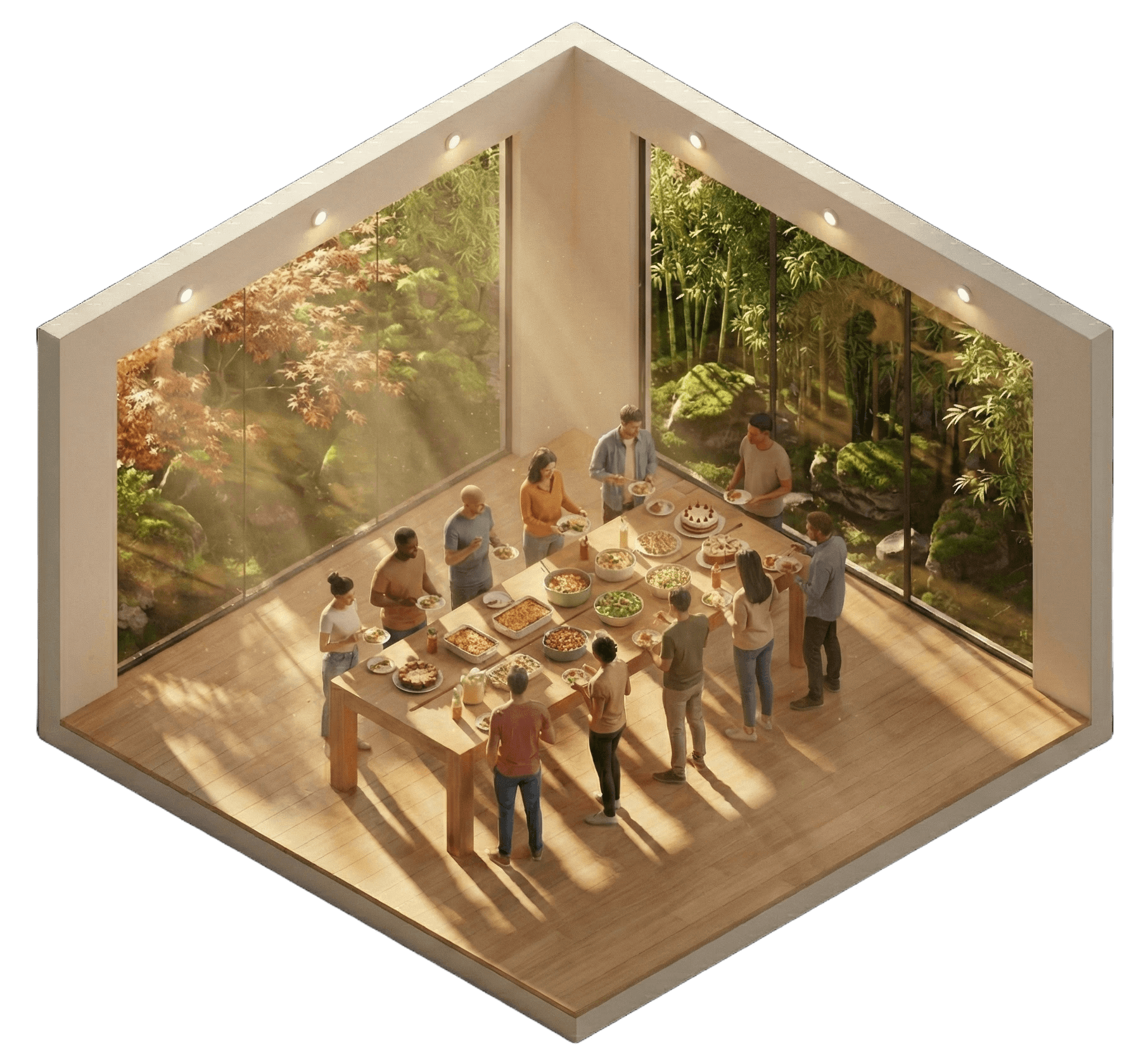
Mirco rituals
What our research said
Rituals create predictability, trust & comfort which create participation
Micro-rituals reinforce participation over time by creating predictable, repeatable moments between larger events.
Examples In Practice:
Weekly maker hours, shared warm-ups, or rotating neighborhood rituals
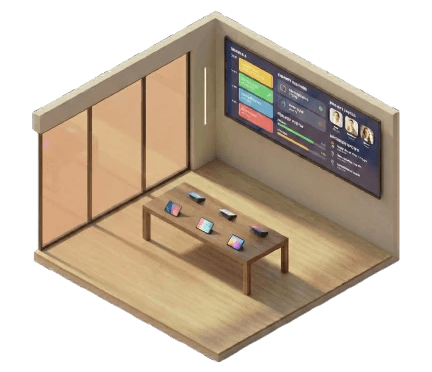
Examples In Practice:
Physical dashboards and live indicators showing activity in the city you could join.
Citywide Visibility Network
While Blank Slate Zones lower the barrier to entry, the Participatory Stewardship Model supports people in stepping into leadership and ownership over time.
What it is
A physical visibility system that surfaces activity happening across nearby third spaces.
Why it matters
People can step into spaces that match their energy and curiosity in the moment.
What it enables
Supported serendipity and stronger connections between people and
What our research said
Consistent visibility turns passive presence into active involvement
Rather than prescribing fixed programs, the solutions focuses on creating conditions that allow participation, leadership, and community to emerge organically.
Together, these concepts propose a way for the framework to be applied in a way that enhances participation and builds the groundwork for a thriving community.
It shows our take on third spaces in a way that aligns with Woven City’s emphasis on experimentation, shared responsibility, and human-centered urban living.
Looking Ahead
What more would we do?
This project holds significant scope for continued exploration, particularly now that Toyota Woven City has officially launched and both Inventors and Weavers are actively living within it. Our recommendations were intentionally made with restraint, acknowledging that much of the city’s infrastructure already exists and that any intervention should be lightweight enough to test without disrupting everyday life.
We envision implementing select elements of this framework in real contexts and observing how they function across cultures, especially in contrast to the behaviors and expectations we observed in New York City. These differences offer an opportunity to learn how participation, leadership, and ritual manifest within a Japanese cultural context.
Insights from these pilots could then inform iterative adaptations, allowing spaces and frameworks within the city to evolve alongside the people using them. Rather than prescribing fixed solutions, this approach supports Woven City’s ambition to remain flexible, responsive, and shaped by the needs of its residents over time.