a quick rundown
What was the problem?
We launched Fugo thinking the product was ready, but people didn’t understand what it was or trust it enough to make it part of their daily routine.
What did we change?
We listened closely to users, reframed how Fugo was introduced, focused on clarity over persuasion, and built trust both online and offline.
What was my impact?
I led the research, rebrand, and repositioning of Fugo, guided product testing and iteration, and managed a team of three social media interns to bring a trust-first, context-driven strategy to life.
Some more context
Fugo is a nutritionally complete, plant-based meal designed to replace one full meal when time or energy is limited.
It isn’t a protein shake or a supplement.
It’s meant to prevent skipped meals.
That distinction was easy to explain internally. It was much harder to communicate externally.
In India, food is cultural, emotional, and rooted in ideas of freshness and care. Introducing a powdered meal meant challenging deeply held beliefs about what “real food” looks like.
Timeline
8 Months
Role
Creative Strategist | Co-Founder
Tools
Adobe Suite, Procreate, Meta Ads Manager, Google Ads, Wordpress and Final Cut Pro
So, we began to question:
How would we sell a product with no mental model?

Early Friction
The Product Was Ready But The Market Wasn't
We launched believing the product would speak for itself. It made sense to us and a few other people, so, it was bound to make sense to everyone.
To our surprise, we saw more hesitation than we were prepared for. People weren’t rejecting Fugo outright. They were unsure how to place it.
Was it a protein shake? A diet product? A shortcut? That uncertainty stalled trust and made purchasing feel risky.
We launched with the assumption that our biggest challenge would be selling people on the taste but to our surprise, it wasn't taste or quality.
It was perception.

Listening More Closely
Big Data Isn't Always the Answer
We needed to understand how Fugo actually fit into people’s lives, not just how it scored on a survey.
We did something more personal. We invited a small group of people who had bought Fugo, were thinking about it, or were simply curious enough to drink it for a month
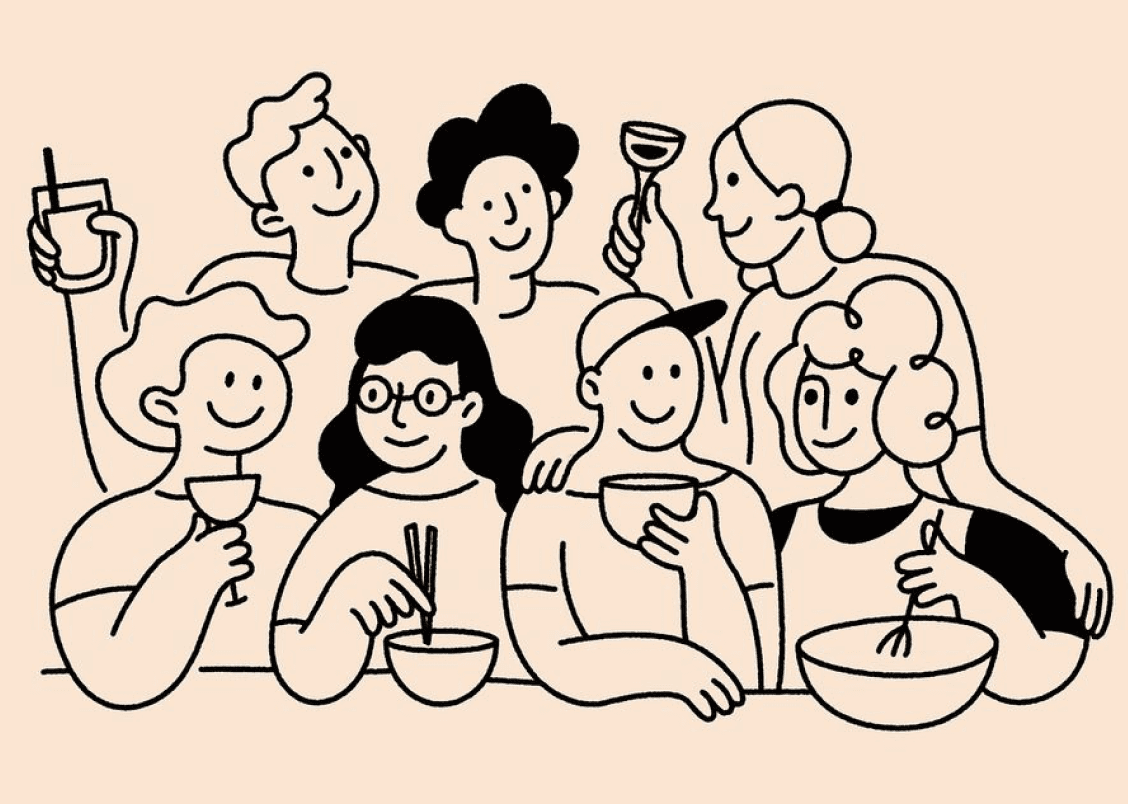
20 People
voluntarily participating
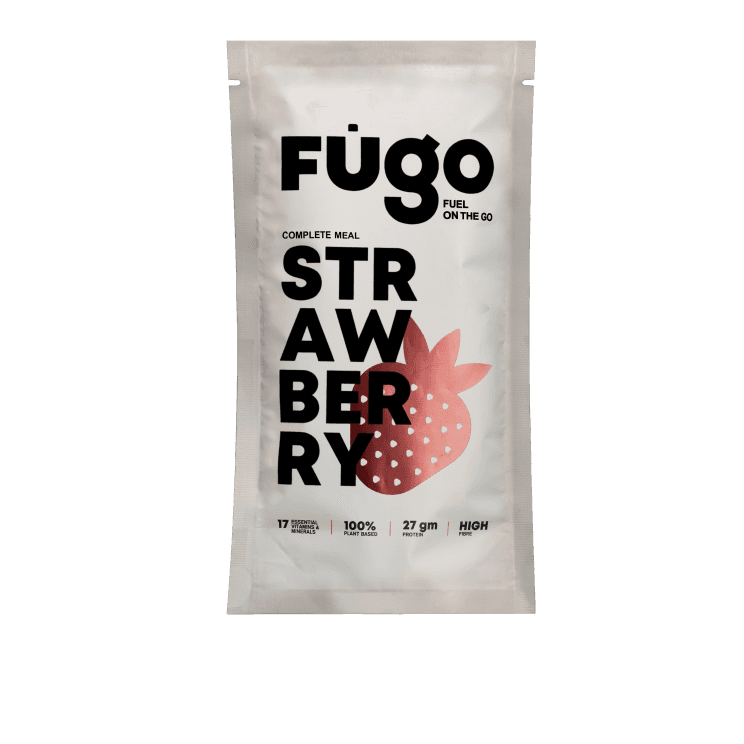
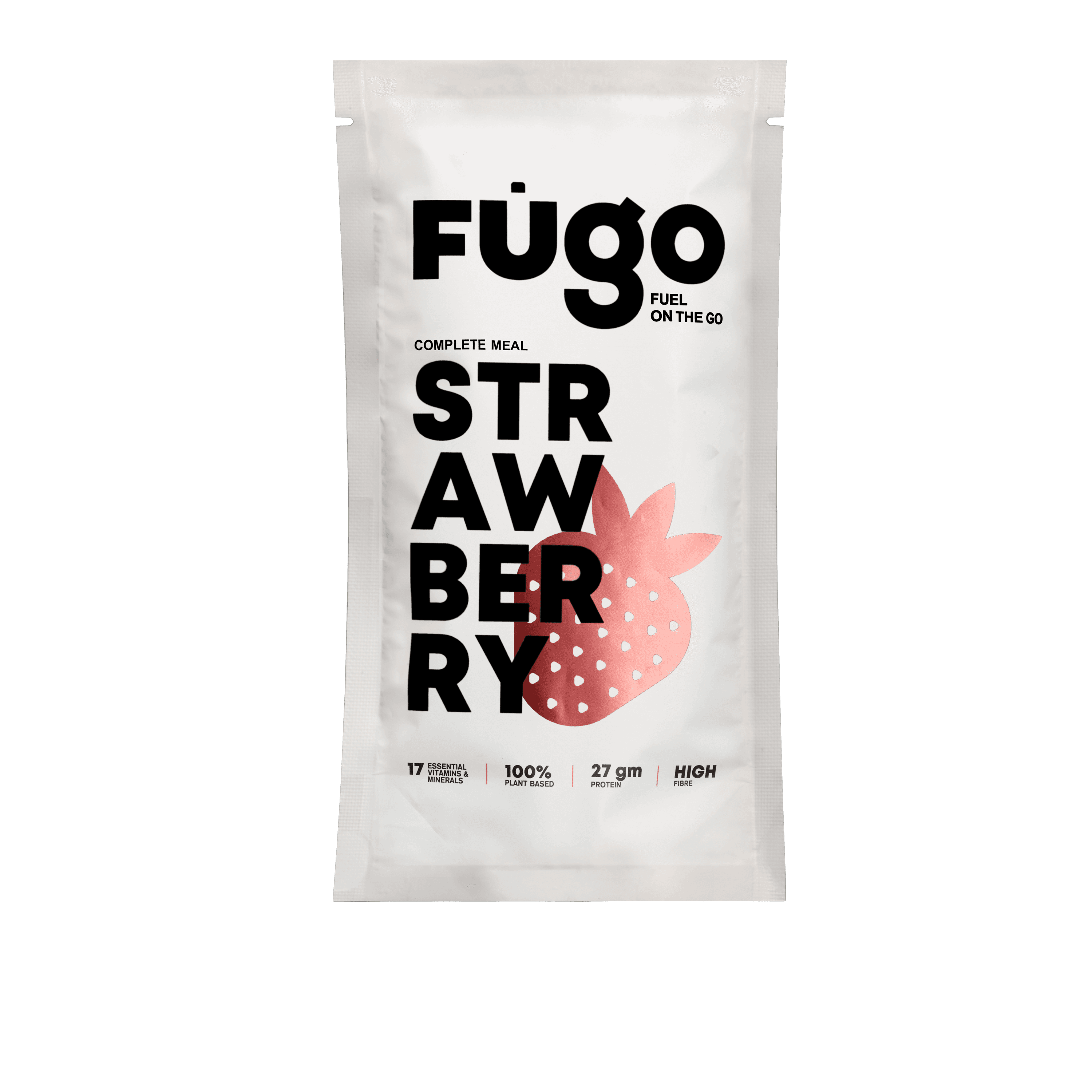
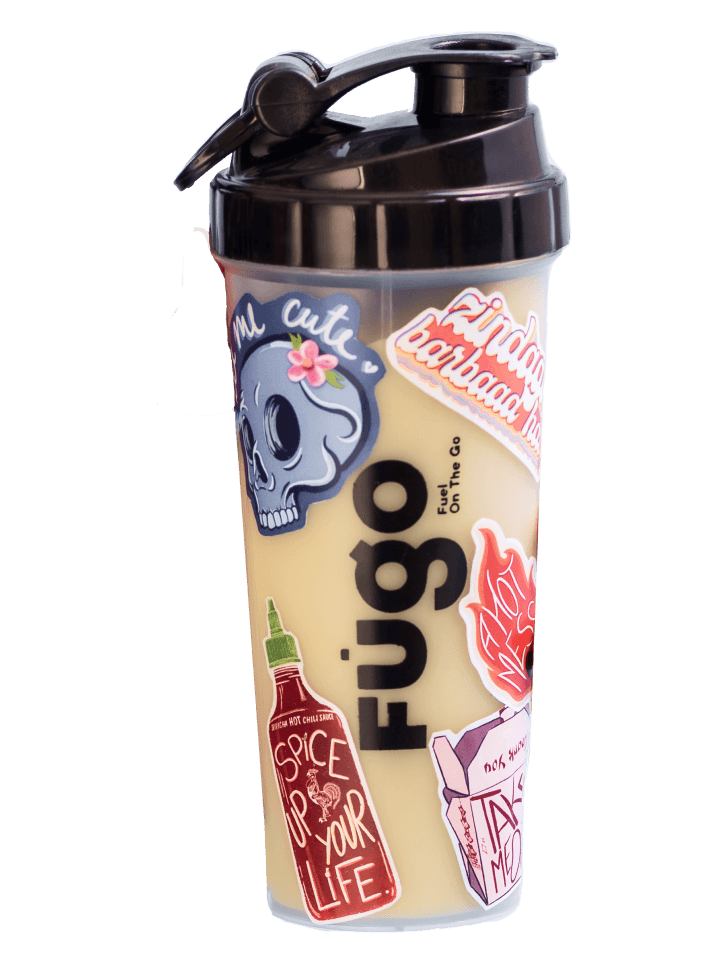
500 packs of Fugo
30 packs per person.
30 Days
of consuming Fugo everyday
What We learnt
The Three Challenges
After listening closely to how people were actually using Fugo, it became clear that selling it wasn’t a single problem to solve. It came down to three main questions:
currently, people didn’t know where Fugo fit.
How do we position price without compromising quality?
Price only made sense once the product did.
It wasn’t about ingredients. It was about belief.
Acting on what we learned
We Changed the Story, Not the Product
We didn’t change the nutritional foundation of Fugo. That part was non-negotiable. What we changed was everything around it.
The diary study showed us that people were already adapting Fugo in creative ways to suit their goals and routines. Our job became less about fixing the product and more about giving people a clearer, more flexible story to see themselves in.
Refining how Fugo showed up
Instead of narrating every tweak, we group them by intent.
Formulation
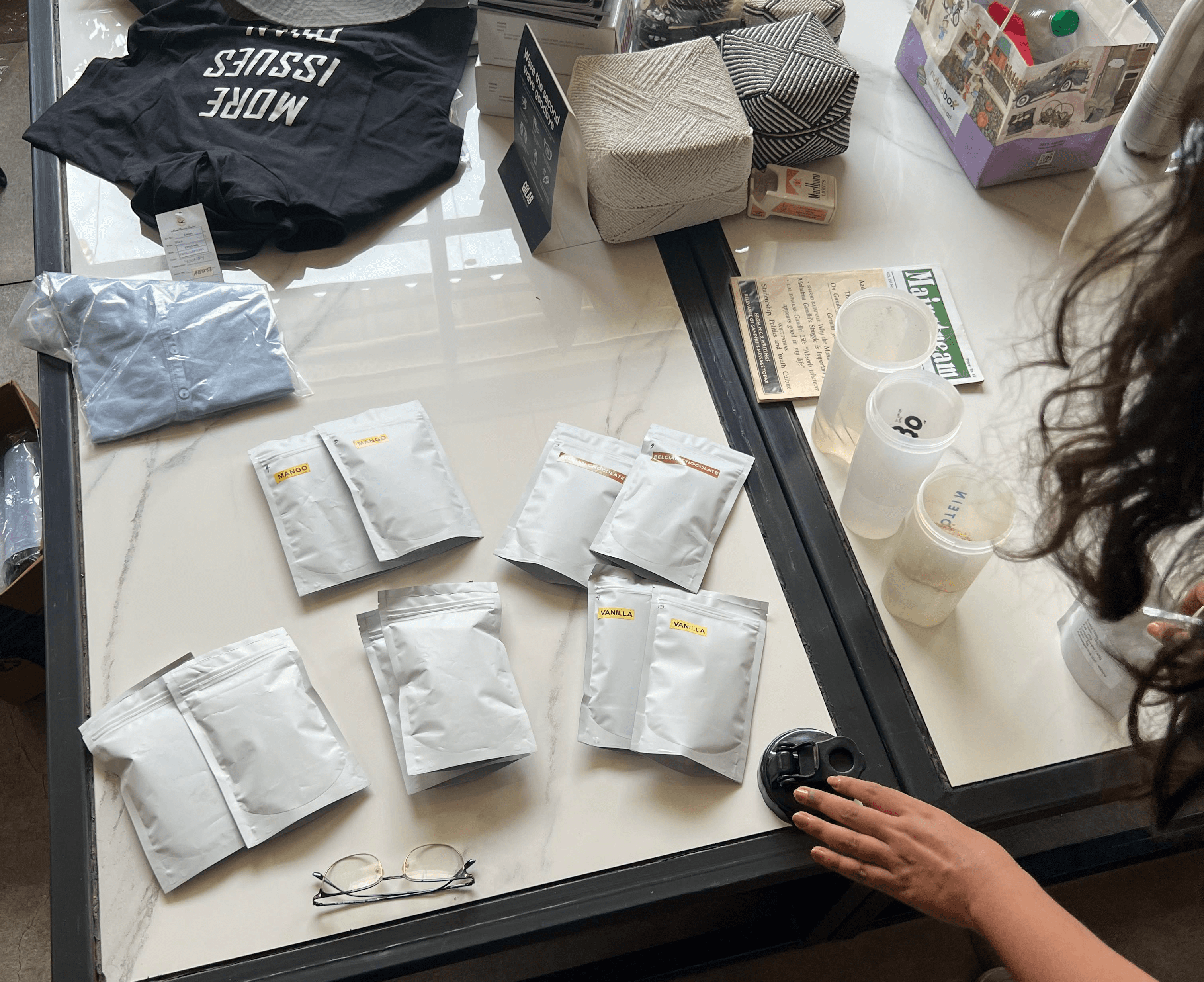
We adjusted the texture to make it smoother and less chalky, removing a physical barrier to daily use.
Flavors
We tested six new options through surveys and brought in the ones people were most excited about, giving familiar entry points into an unfamiliar category.
Packaging

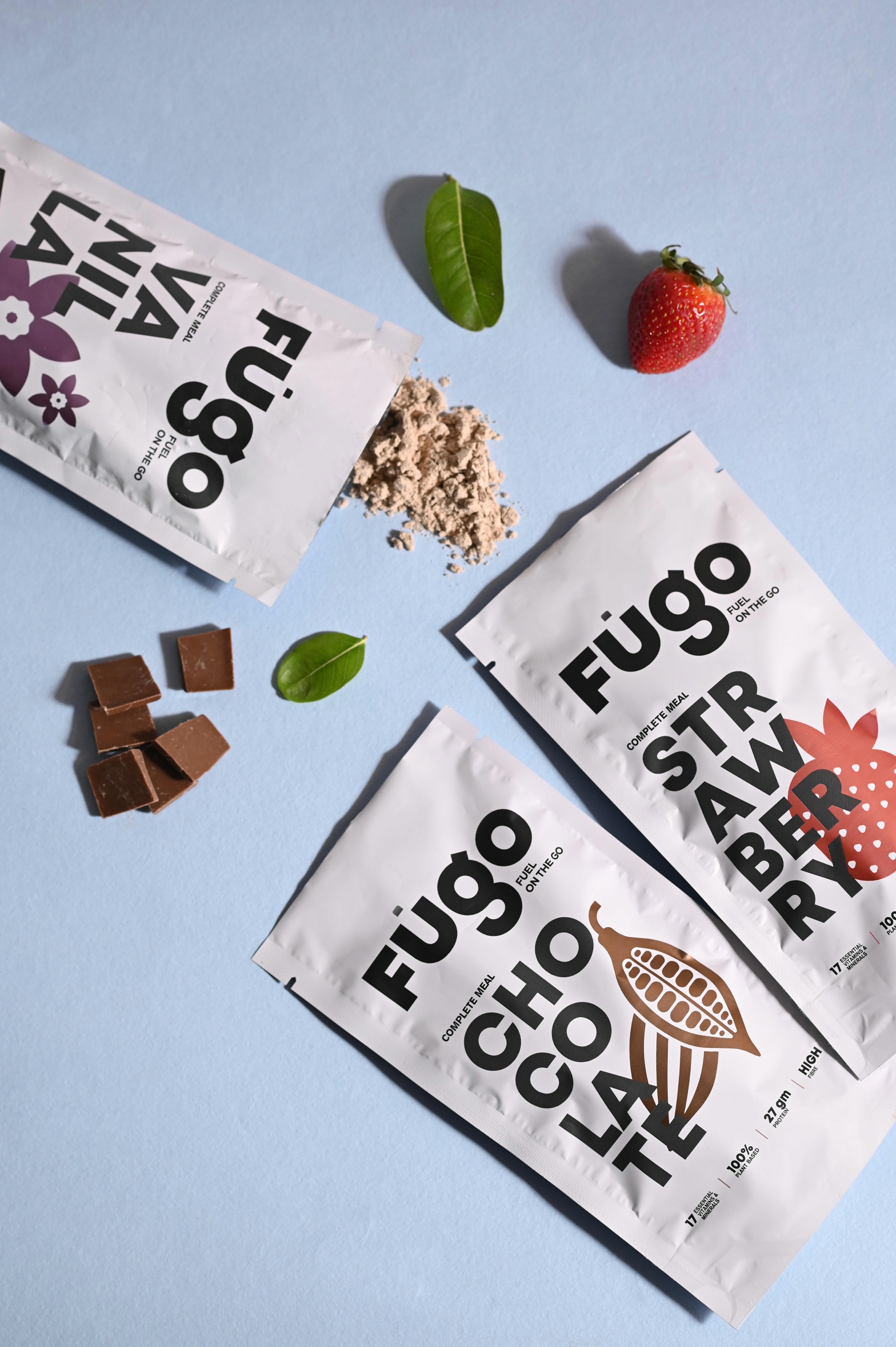
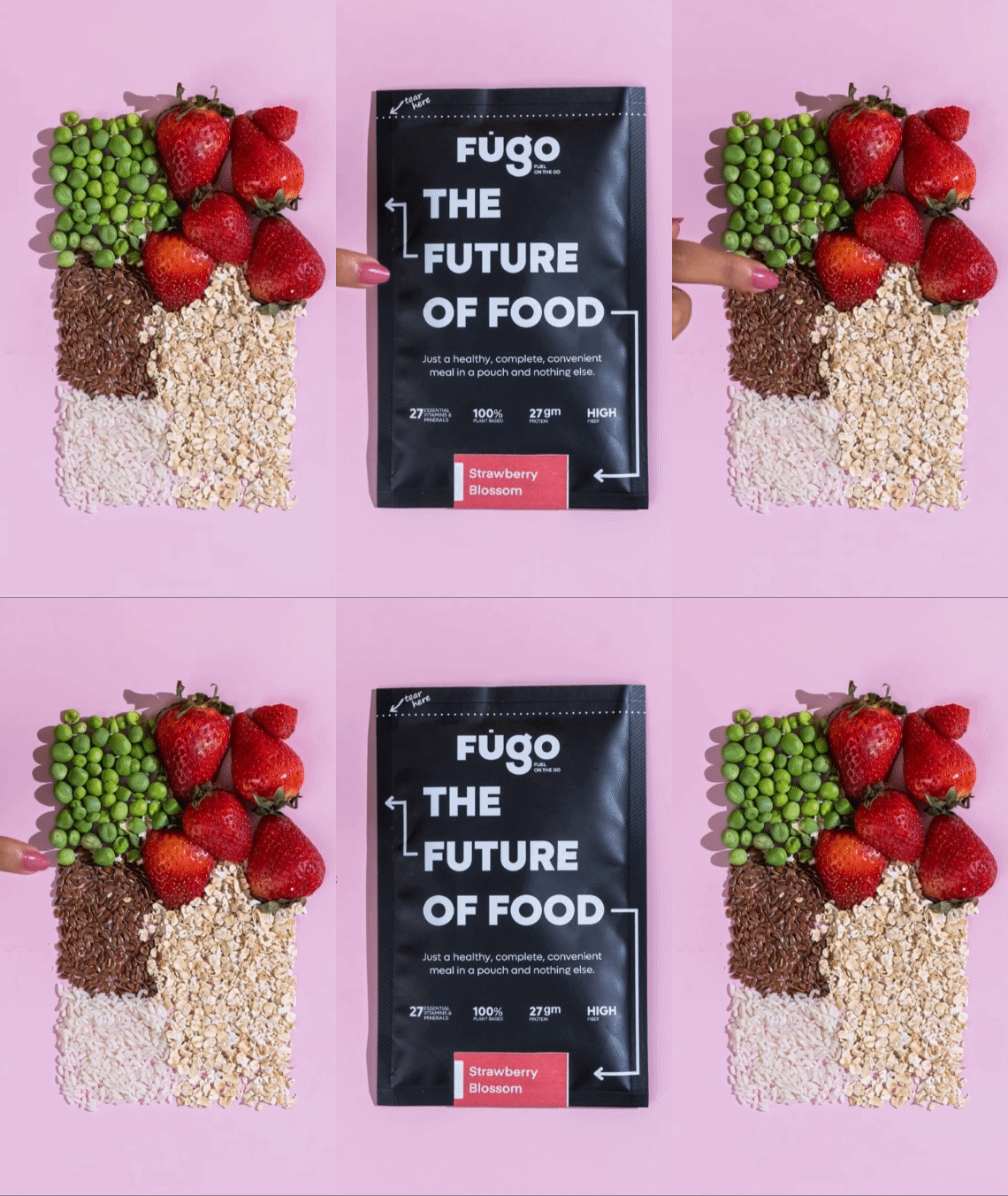
We moved to a cleaner, more compact black pouch that helped shift Fugo from “supplement” to “everyday nutrition.”
Making it make sense
We Taught Before We Tried to Sell
Even with a clearer product, people still needed help understanding where Fugo fit. Packaging could get attention, but it couldn’t tell the whole story.
We decided to focus on clarity. We showed how Fugo worked in real routines, what it could replace, and why it existed, giving people enough context to decide if it was right for them.
For us, it wasn’t just about explaining Fugo. It was about helping people feel confident navigating a confusing health space, whether they ended up buying from us or not.
We answered the questions people were already asking.
Why plant-based?
Why you shouldn't stop eating carbs?
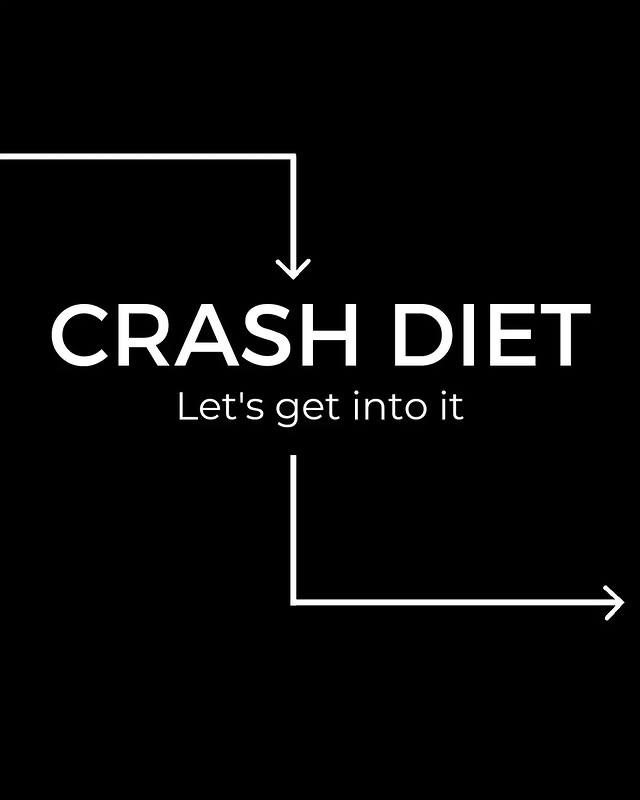
Why are crash diets bad?
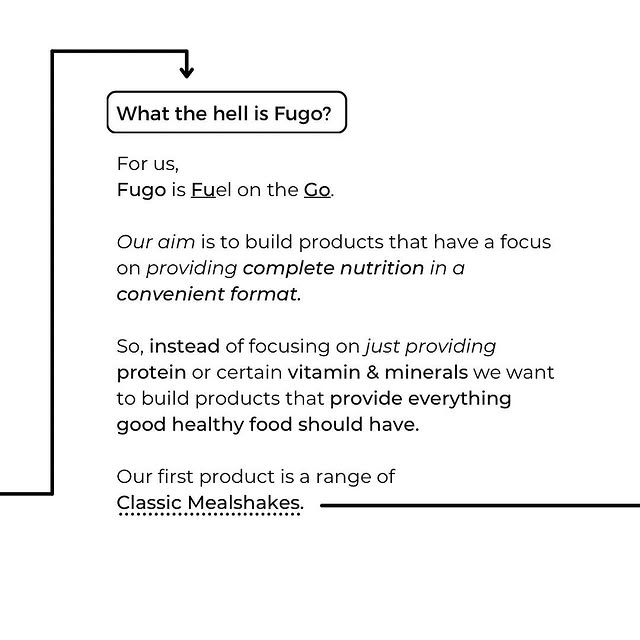
What the hell is Fugo?
Gi Index??
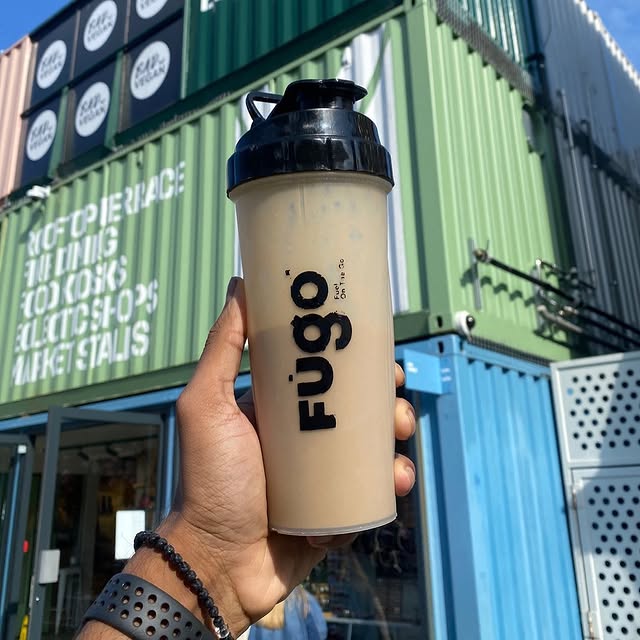
People don’t just trust products. They trust people. So we showed up as ourselves, sharing our process, our faces, and the messy reality of building Fugo in public. Over time, that honesty became one of the strongest reasons people were willing to try us.
And we didn’t hide behind the brand


Making sense of value
Price Was About Perception, Not Just Cost
Talking to people face to face showed us something our online data never could. Most of the hesitation around price wasn’t about affordability in isolation. It was about whether Fugo felt worth it for what people believed it was.
Once people understood what it replaced, how it fit into their routines, and why it existed, the same price started to feel more reasonable. That clarity helped us stop trying to appeal to everyone and instead focus on the people who truly saw the value.
Meeting people in the real world
We Started Showing Up Offline
Showing up in person shifted how people experienced Fugo. We stopped being just a logo on a screen and became a brand they could talk to, question, and try for themselves.
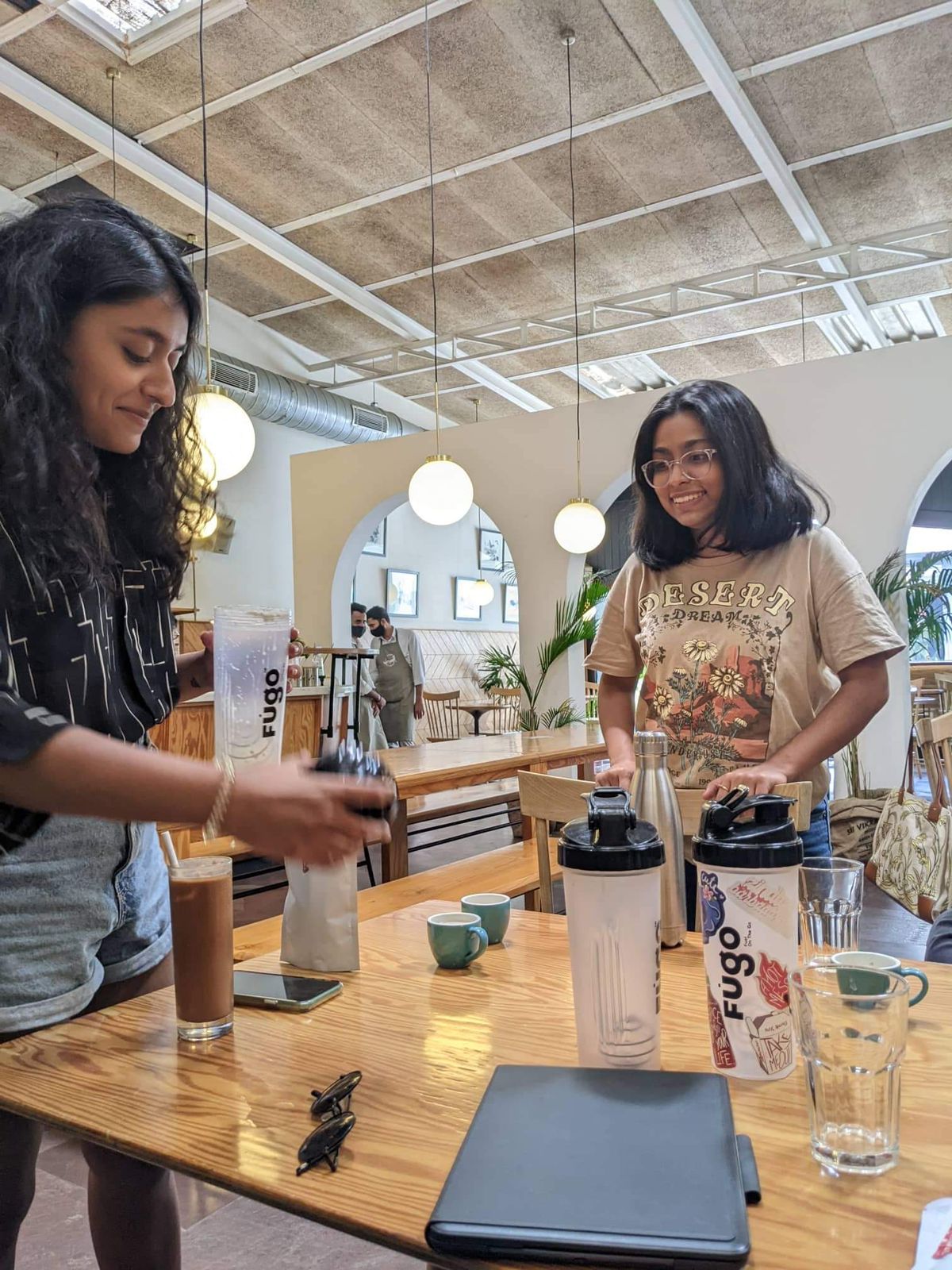
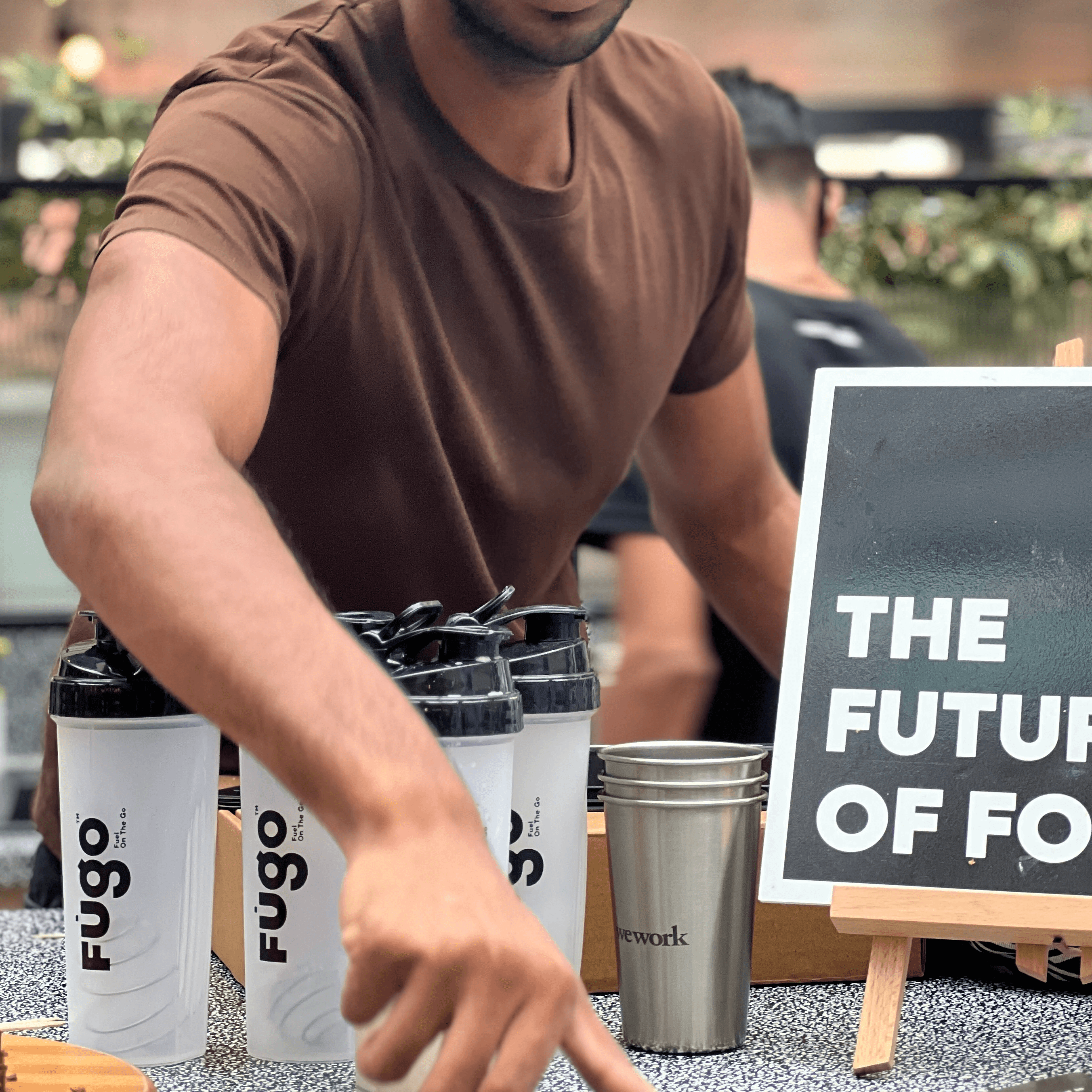
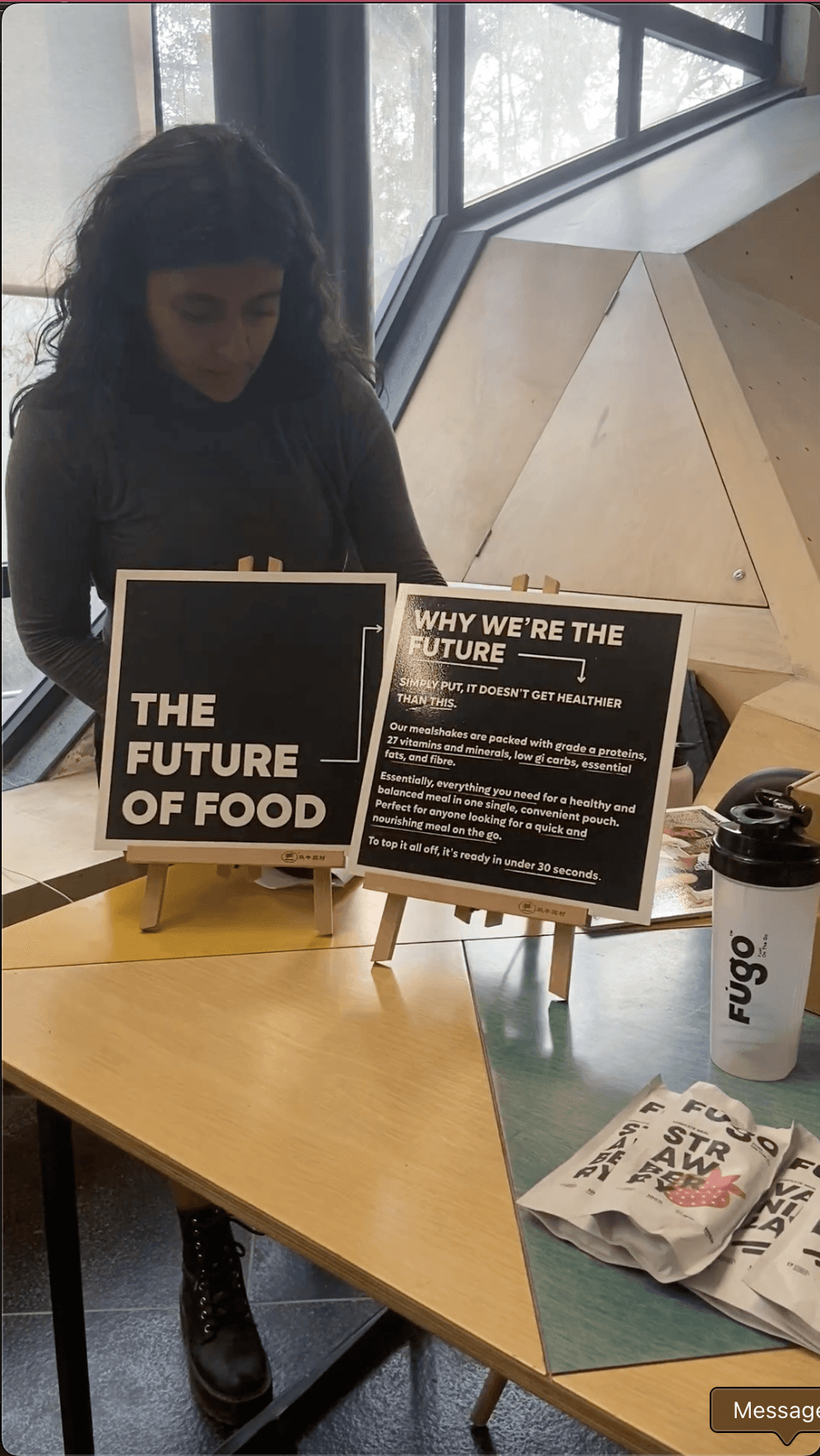
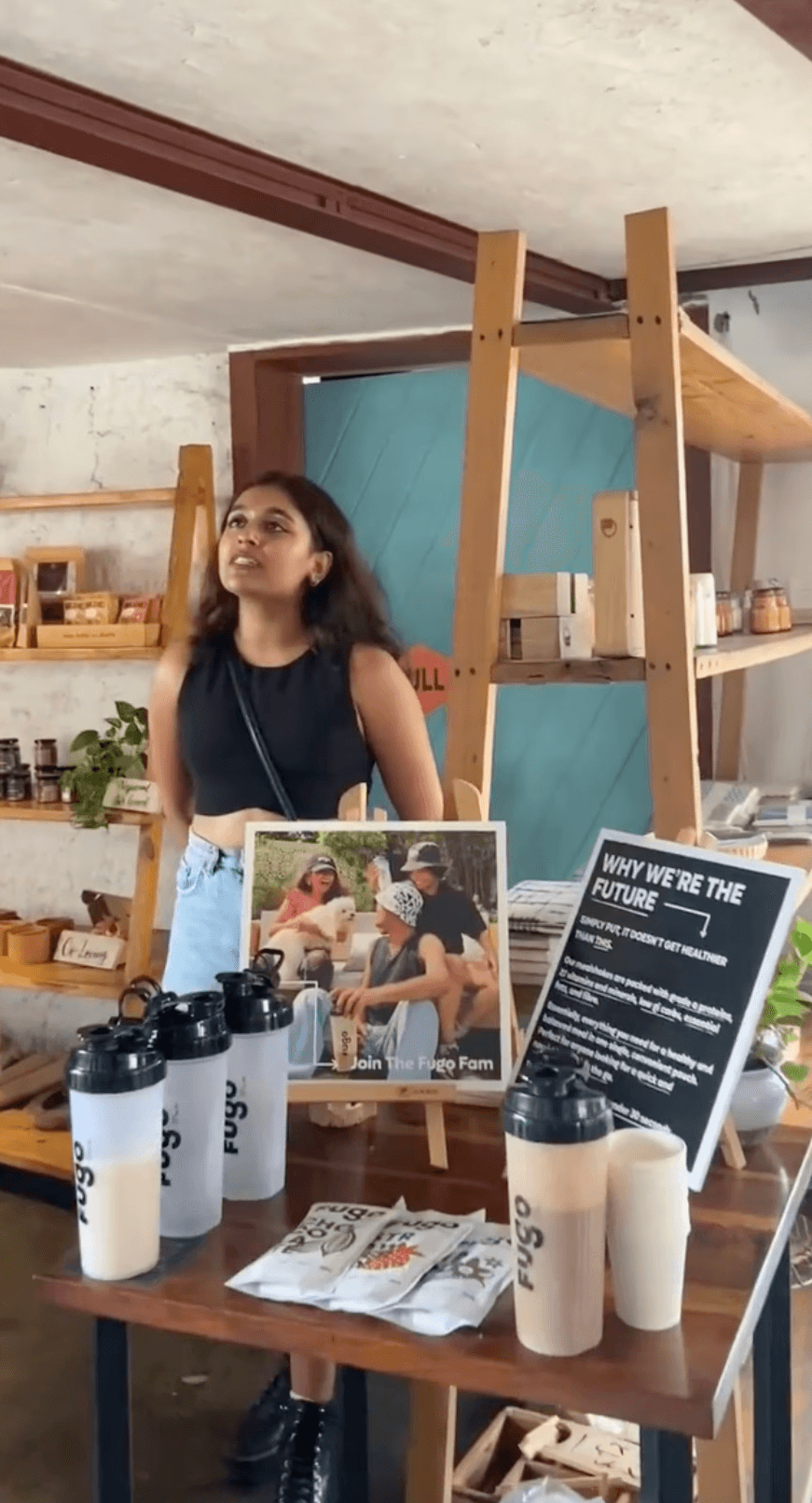
Pop-ups at gyms, coworking spaces, fairs, and plant-based cafés became our classrooms. People could taste the product, ask what it replaced, and tell us what felt off. Those conversations didn’t just build trust.
They also gave us a clearer sense of how price and perception were shaping people’s willingness to try something new.

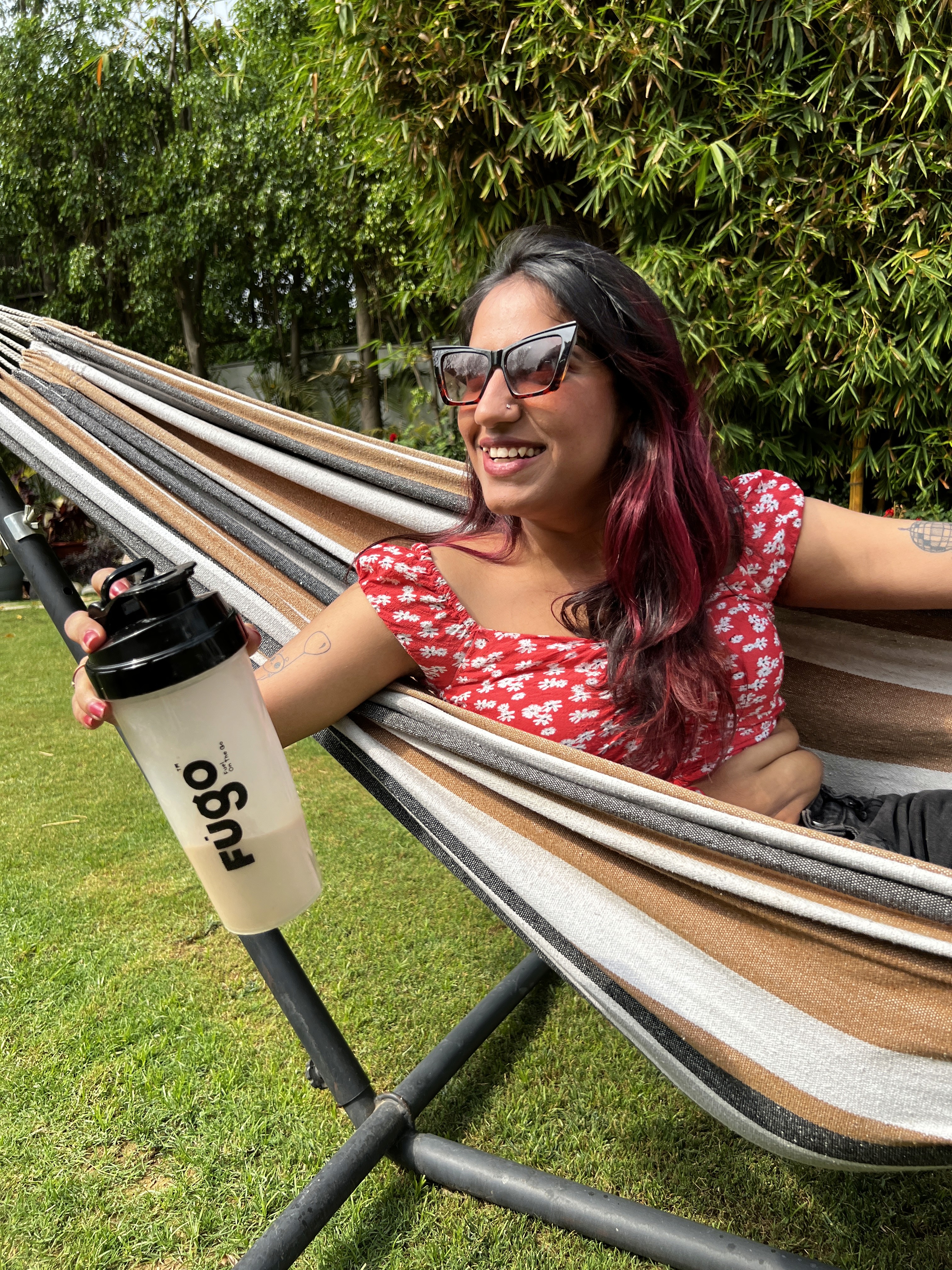
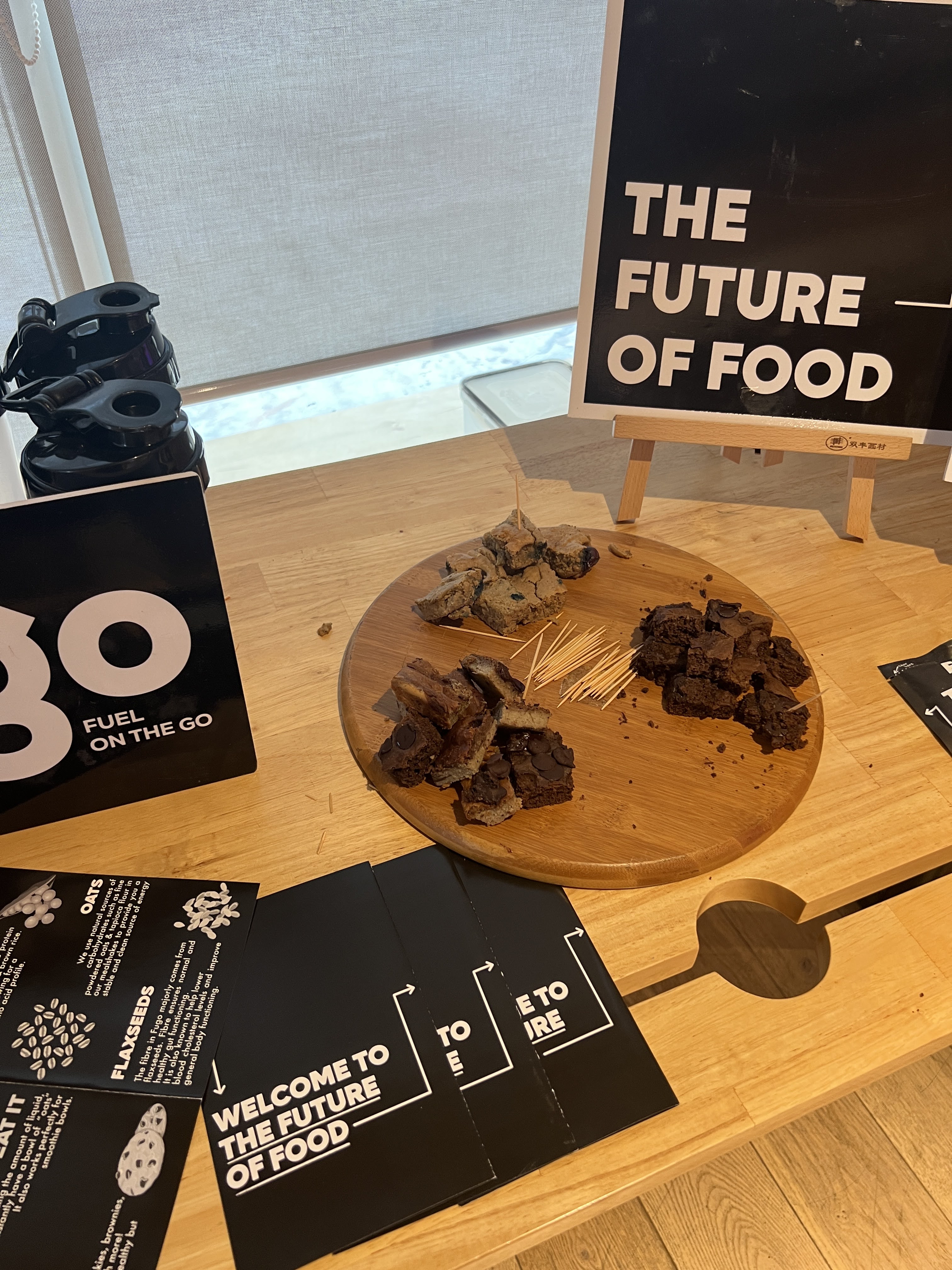
seeing the change
The Best Part Were Moments Like This
|
That's how we knew, we were doing something right.
Looking back
How Building Fugo Changed My Perspective
Fugo was my first time building something end to end. It pulled me out of neat frameworks and into the messy reality of making, selling, and standing behind a product. I learned how packaging, pricing, storytelling, and trust are all part of the same system, and how small decisions ripple into how people feel about what you’ve made.
More than anything, it taught me that good products don’t win just because they work. They win when people understand them enough to trust them, try them, and shape them into their own lives. Being part of that shift, from confusion to clarity, is what made this journey matter to me.
It’s a perspective I carry into everything I design now.
This is just a small part of building Fugo. If you’d like to talk about any other aspect, I’d be happy to share more xx